How live dealer casinos work: studios, cameras and the games
Live dealer games put a real croupier on a video stream, linking a physical table to a player's screen through a studio, software and a licence.
A live dealer casino is an online game in which a real croupier runs a table that is filmed and streamed to players, who place bets through software on a phone, tablet or computer. The cards, dice or wheel are handled physically in a studio, and the software records each result, settles the bets and shows the outcome on screen. Most studios are purpose-built rooms run by specialist suppliers on behalf of licensed online operators.
What a studio looks like
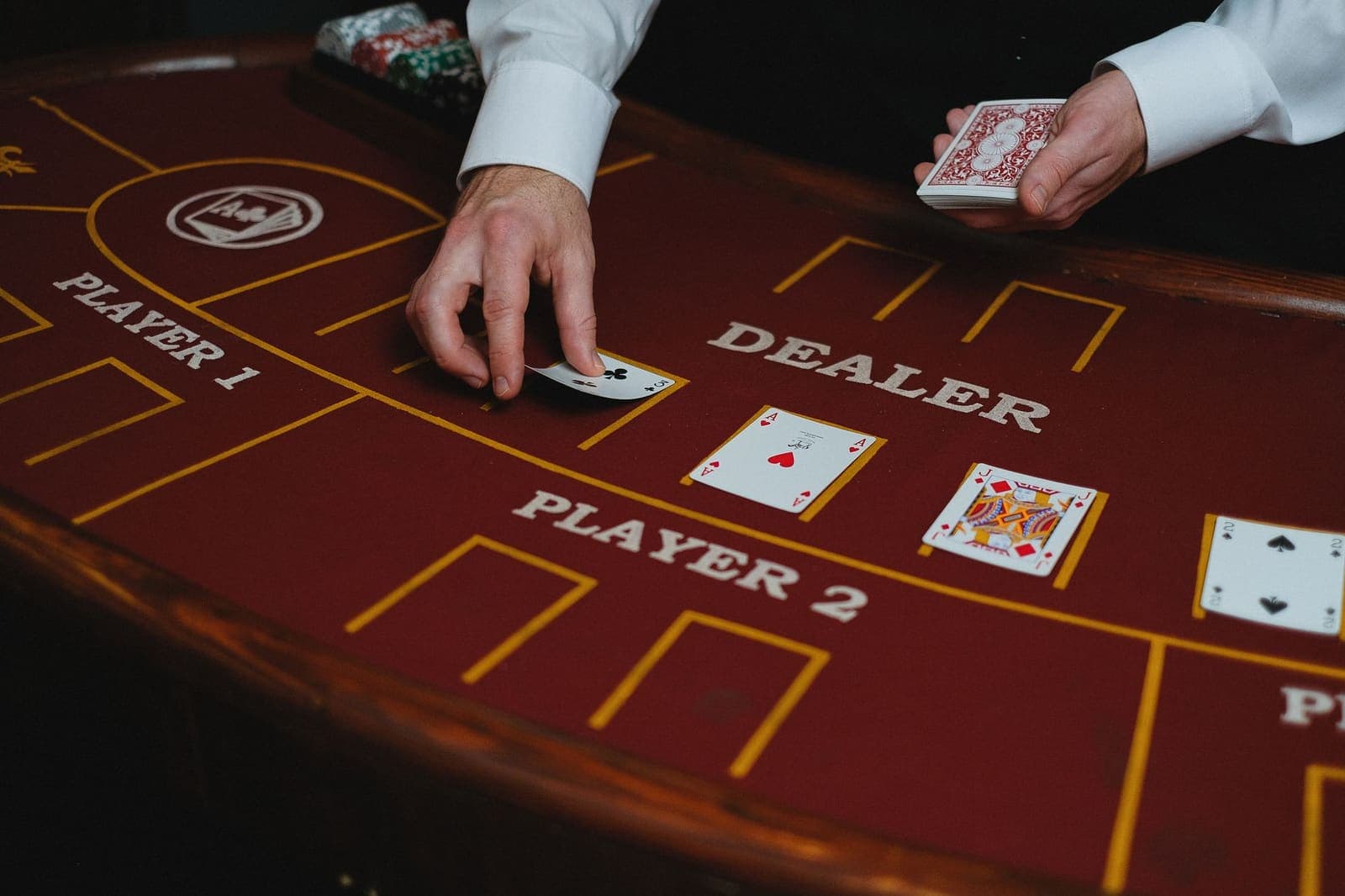
A studio is a set rather than a casino floor. It usually contains several tables, each with its own dealing position, lighting, microphones and a set of cameras. Some studios are built to look like a traditional casino room, while others are designed for particular games, such as a roulette wheel on a raised stage or a set for a television-style game show.
Cameras are placed to show the table from more than one angle. One shot usually covers the dealer and the layout, while others give a close view of the cards, the wheel or the dice. Overhead or close-up feeds help players see what has been dealt, and the same feeds are used by the studio to check results.
How a hand or spin reaches the player
The video is captured, encoded and sent over the internet to the player's device. The player does not see the dealer in real time in the sense of a live television broadcast in a fixed sense, because a short delay, known as latency, is built into any stream. Operators try to keep this delay low so that the bet window and the result match what is happening on the table.
Alongside the video, the studio's systems send data about each round to the operator's platform. This data includes the cards dealt, the number that came up on a wheel, or the total on a dice roll. The platform uses it to show the result, pay out winning bets and update the player's balance. A player's bet is placed in the software, not by touching anything in the studio.
Where the outcomes come from
The defining feature of most live games is that the outcome is produced by a physical process. Cards are shuffled by hand or by a mechanical shuffler and dealt from a shoe, a wheel spins under the dealer's hand, and dice are rolled in a cage or a shaker. The dealer does not decide the result, and the equipment is designed so that the process is consistent and can be checked.
This is different from standard online slots and many digital table games, where a random number generator, or RNG, decides each outcome in software. Some live products combine both approaches. A game show may use a physical wheel for the main result and software for bonus features, so the terms of each game should be read carefully rather than assumed.
Who runs the studios and holds the licence
Studios are often run by a small number of specialist suppliers. These companies build the rooms, employ and train the dealers, maintain the cameras and equipment, and supply the streaming technology to online operators. The operator, which is the company the player signs up with, usually holds the gambling licence for its market and chooses which tables to offer.
This split means a single studio can serve several brands at once. The rules, betting limits and presentation can be adjusted for each operator, while the table itself and its dealers stay the same. Readers who want to know who is responsible for a particular game should look for the licensed operator's name and terms, not only the studio's name.
Rules, testing and differences by country
Live dealer games are subject to the same gambling laws as other online products, but the details vary widely. Minimum ages commonly start at 18, though some jurisdictions set the age at 21. Some countries permit live dealer games, others restrict them, and a few do not license online casino products at all. The regulator in each market sets these requirements, so the rules that apply depend on where a player is located.
Testing is another area where practice differs. Many regulators require operators to use independent testing laboratories to check that games work as intended and that outcomes are fair. For physical live tables, this can include checks on shufflers, wheels and cameras as well as software. The testing standards and the bodies that carry them out vary by country, so the regulator's published requirements are the best guide.
Game rules also vary between studios and operators. Blackjack may allow different actions, roulette may use a single or double zero, and baccarat and sic bo may have different side bets. These differences change the house edge, which is the built-in mathematical advantage the house holds over the long run. For example, a European roulette wheel with a single zero has a house edge of about 2.7%, while an American wheel with a double zero has about 5.3%. Players can compare these figures in the bonus calculator and house edge table.
Why operators use live tables and what it means for players
Operators like live tables because they recreate the look and pace of a casino room and offer a more social setting than many digital games. The presence of a dealer and the sound of a wheel or shuffler can make the experience feel different from a random-number game. Some operators also use live tables to offer a wider range of stakes and game types from one platform.
For players, the main differences are pace and cost of time. A live game moves at the speed of the dealer and the table, which is slower than an automated game in many cases. Players can also be drawn into longer sessions because the social feel makes it easy to keep playing. This is one reason why the tools available to manage time and spending matter, and why the safer gambling and help lines page is worth reading before playing.
Questions to check before playing live
- Check which operator holds the licence in your country and whether it is authorised to offer live dealer games there.
- Read the rules shown on the table, including payouts, side bets and any differences from the standard version of the game.
- Note the minimum and maximum stakes and the time limits in place for the session.
- Look for account tools such as deposit limits, session reminders and self-exclusion, and understand how they work.
- Consider whether the stream and connection are stable, since delays or dropped video can affect the timing of bets.
For readers who want to understand the rules of the most common live games before sitting down at a table, Casino Courant has guides to roulette and baccarat. Both explain the bets, the payouts and the house edge in plain terms.
The direction of the market
Live dealer games have become a major part of the online casino market, and operators continue to add studios and table formats. Suppliers have also experimented with automated tables that remove or reduce the need for a dealer, which blends the two approaches. Whether such products become common will depend on regulation, player demand and the cost of running studios.
For most readers the key point is simple: a live dealer game is a real table, a real set of physical equipment and a licensed operator delivering the stream to the player. Understanding those three parts makes it easier to judge the rules, the fairness checks and the risks, whichever country the player is in.
Frequently asked questions
Are live dealer games fair?
Live games use physical equipment such as shufflers, wheels and dice, and many regulators require independent testing of that equipment and the software. The fairness standards and the testing bodies differ by country, so the regulator's published rules are the best guide.
Is a live dealer game the same as a slot or a random number game?
No. Most live games produce their results through a physical process filmed in a studio, while slots and many digital table games use a random number generator. Some live products combine both methods, so the game's terms should be read carefully.
Can the dealer see my bets?
Bets are placed through the operator's software rather than with the dealer. The software records them and sends the result to the table and the player, so the dealer does not see individual bets as a player would at a physical casino table.
Where can I find information about help with gambling?
Most licensed operators and regulators provide account tools and contact details for support services. Casino Courant's safer gambling and help lines page lists information on help and self-exclusion options.
More on US online casinos
Casino Courant is independent and does not offer gambling. We do not take payment for editorial coverage. 18+. Gamble responsibly.