What is RTP? Return to player explained
A plain-English guide to return to player, the percentage that shows how slot and casino games pay out over time.

RTP stands for return to player. It is the percentage of all money wagered on a casino game that is, in theory, paid back to players over a very large number of spins or hands. An RTP of 96 per cent, for example, means that for every £100 staked, £96 is returned to players as winnings over the long run, while £4 is retained by the operator.
How RTP is calculated
RTP is built into a game's mathematical model before it ever goes live. Game designers and independent testing labs calculate it using the probability of every possible outcome and the prize attached to each one. For slot machines this involves simulating millions, sometimes billions, of spins to arrive at a stable average.
This figure is theoretical. It describes what should happen over an enormous sample size, not what will happen to any one player in a single session. Short-term results can, and routinely do, swing well above or below the stated percentage.
RTP and the house edge
RTP and house edge describe the same underlying mechanism from opposite sides. House edge is simply 100 per cent minus the RTP. A game with 96 per cent RTP has a 4 per cent house edge, meaning the operator expects to keep 4 per cent of all money wagered over time.
- Online slots typically carry an RTP somewhere between 92 and 98 per cent, though this varies by game and provider.
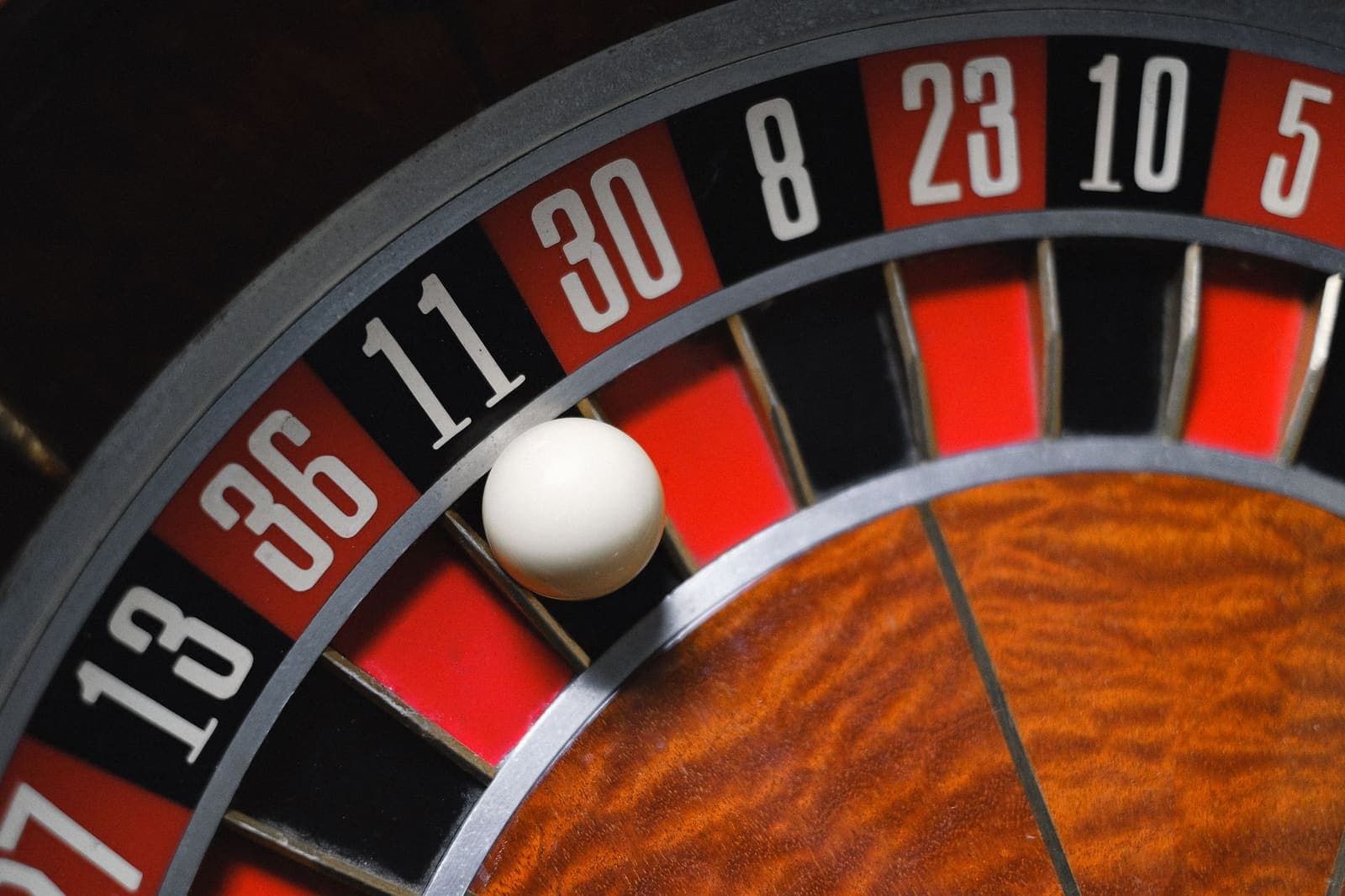
- European roulette has a house edge of about 2.7 per cent, giving it an RTP of roughly 97.3 per cent.
- American roulette, which has an extra zero pocket, carries a higher house edge of about 5.26 per cent.
- Blackjack's RTP depends heavily on the specific rules and on how well the player follows basic strategy.
Because these figures are standardised across much of the industry, tools that compare the bonus calculator and house edge table can help put a specific game's numbers in context against typical industry benchmarks.
Theoretical RTP versus real results
A common misunderstanding is treating RTP as a guarantee for an individual player. It is not. RTP is a statistical average that only becomes meaningful across a very large number of rounds, far more than any person plays in a single sitting or even a lifetime.
In practice this means a player could lose steadily on a 97 per cent RTP game across an evening, or win well above their stake. Both outcomes are consistent with the same long-run average. The house edge does not vanish because of a lucky streak; it simply means the operator's advantage is realised over the full population of bets placed, not any one person's experience.
Volatility matters as much as RTP
RTP tells players how much a game returns on average, but not how it pays that money out. That is where volatility, sometimes called variance, comes in. A low-volatility game pays smaller wins more frequently, producing a smoother, more predictable session. A high-volatility game pays rarely but can deliver much larger wins when it does.
Two slots can share an identical 96 per cent RTP and feel completely different to play, one steady and the other streaky, because of how their volatility is designed. Understanding both figures together gives a fuller picture than RTP alone.
Where to find a game's RTP
Reputable game studios and licensed operators generally publish RTP figures in a game's information or help screen. In Great Britain, the Gambling Commission's licensing conditions require operators to make RTP information available to players, either within the game itself or on request. Independent testing laboratories, which certify games before launch, also verify that the RTP matches what is advertised.
Rules on disclosure vary between jurisdictions, and not every market mandates the same level of transparency, so the presence and prominence of RTP information can differ depending on where an operator is licensed.
Does a high RTP mean you will win
No. A higher RTP simply means a smaller structural disadvantage over the long run, not a likelihood of winning in any given session. Every regulated casino game is designed with a built-in house edge, and RTP figures describe averages across populations of bets, not outcomes for individuals. Gambling should be treated as entertainment with a cost, not a way to make money.
Anyone concerned about their gambling, or looking for support tools such as deposit limits and self-exclusion, can find information via safer gambling and help lines.
Frequently asked questions
Is RTP the same as my odds of winning?
Not exactly. RTP describes the average percentage returned across all players and spins over the long term, while odds of winning refer to the probability of a specific outcome on a single bet. A game can have a high RTP and still involve frequent losing spins.
What counts as a good RTP percentage?
Most regulated online slots fall between roughly 92 and 98 per cent, so figures toward the higher end of that range are generally considered better for players in the long run. There is no official threshold for what counts as good, and other factors like volatility also affect the playing experience.
Does RTP apply to table games like blackjack and roulette?
Yes, though it is usually expressed as house edge rather than RTP in casino terminology. Table games typically have fixed, well-documented house edges based on their rules, such as single-zero versus double-zero roulette wheels.
Can an operator change a game's RTP after launch?
Some game providers offer multiple RTP configurations that operators can choose from within an approved, tested range, though this is not universal and rules vary by regulator. Any version in use must still be certified by an independent testing lab before it goes live.
More on Slots
Casino Courant is independent and does not offer gambling. We do not take payment for editorial coverage. 18+. Gamble responsibly.