What is House edge?
House edge is the average percentage of each stake that a casino game is mathematically expected to keep over time, built into the rules or payouts of the game.
The house edge exists because games pay out slightly less than the true odds of winning. In single-zero European roulette, a straight-up bet pays 35 to 1, but the true odds are 36 to 1 because there are 37 pockets. That gap gives the casino an edge of 1 in 37, or about 2.70%, on every bet on the table.
Edges vary widely. A banker bet in baccarat carries around 1.06%, blackjack played with correct basic strategy can sit around 0.5% depending on the rules, and many side bets and slot games run far higher. The edge is an average across a vast number of bets: in the short term a player can win, but the longer play continues, the closer results tend to drift towards the expected loss.
House edge and return to player describe the same thing from opposite sides. A game with a 3% edge has a 97% RTP.
In the news
 Guide
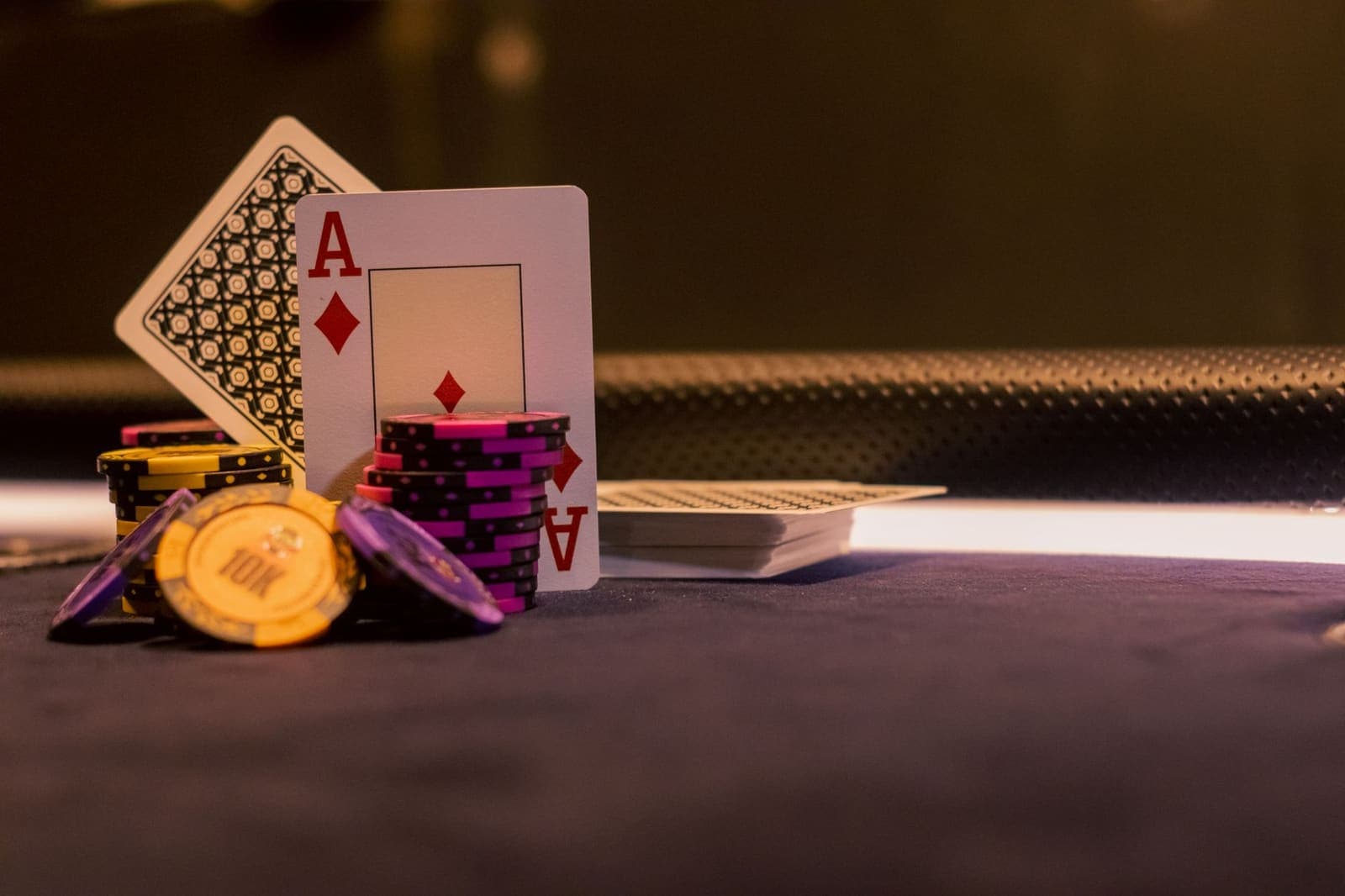
GuideBlackjack basic strategy explained in plain English
A look at the mathematically correct way to play every blackjack hand, and why it is not a guarantee of winning.
 Guide
GuideHow card counting works in blackjack, and why casinos hate it
Card counting is a legal mental technique that tracks which cards have been played. Here is how the Hi-Lo system works, where it came from and how casinos fight back.
 Top 10
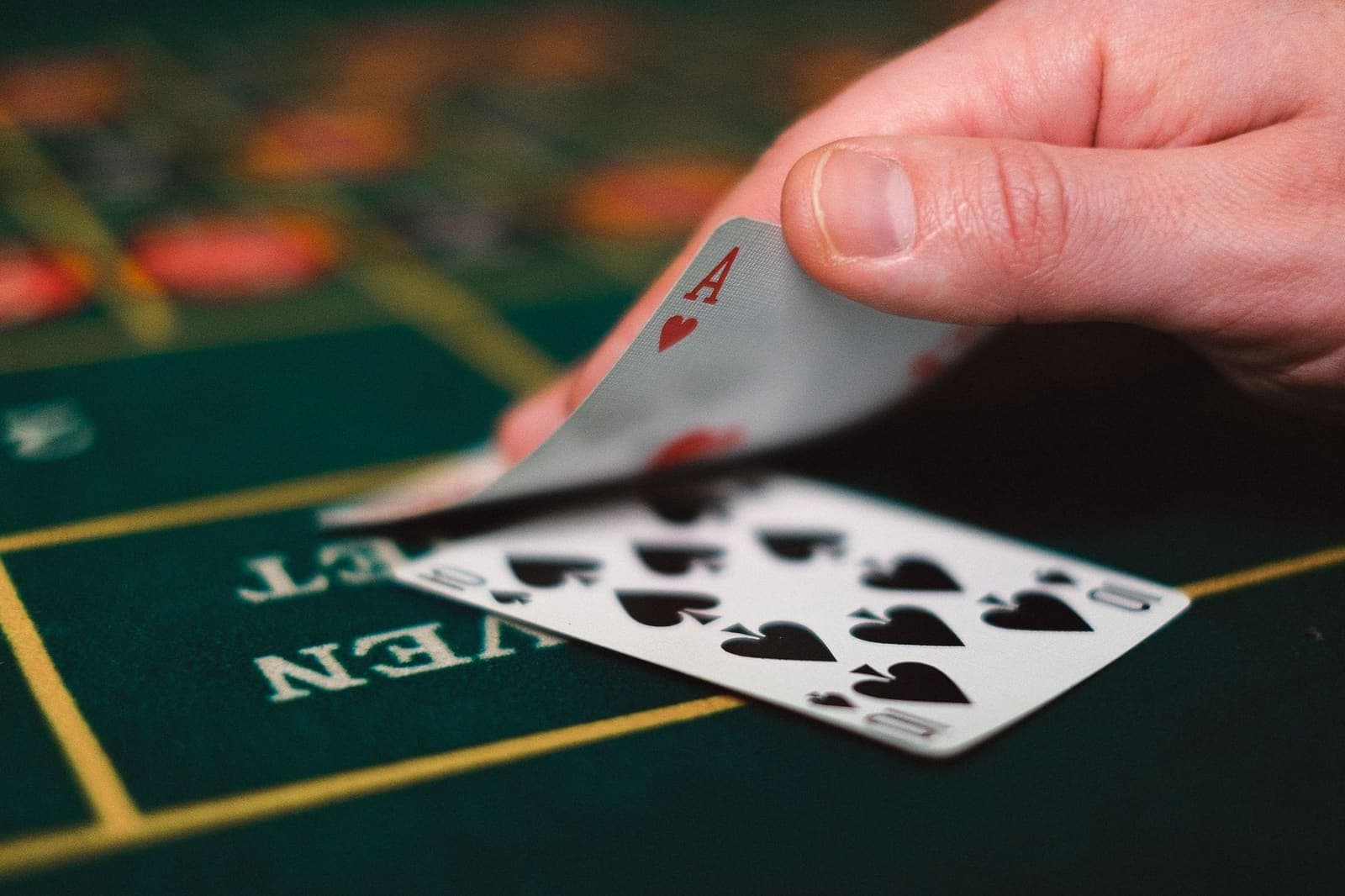
The 10 casino games with the best odds
Ranked by house edge under standard rules, from blackjack and craps with odds to Three Card Poker, with the conditions each figure depends on.
 Guide
GuideHow progressive jackpots work, and what the odds really are
Progressive jackpots grow with every bet placed across a game or network, but the odds of winning the top prize are closer to a lottery than a regular slot spin.
 Guide
GuideHouse edge explained: how casinos make money on every game
Every casino game is built with a built-in mathematical advantage for the house, here is how it works and why it never disappears.