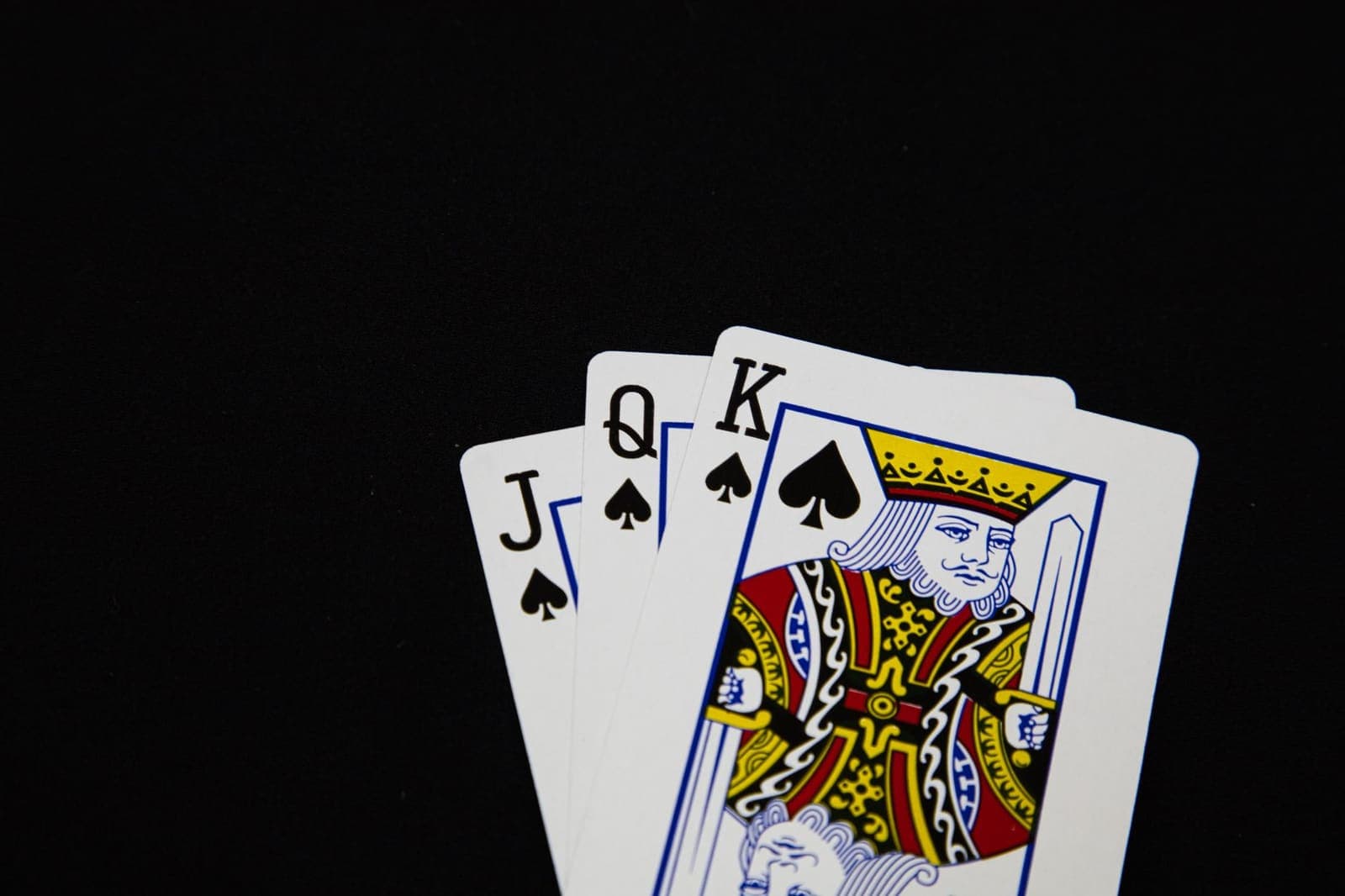
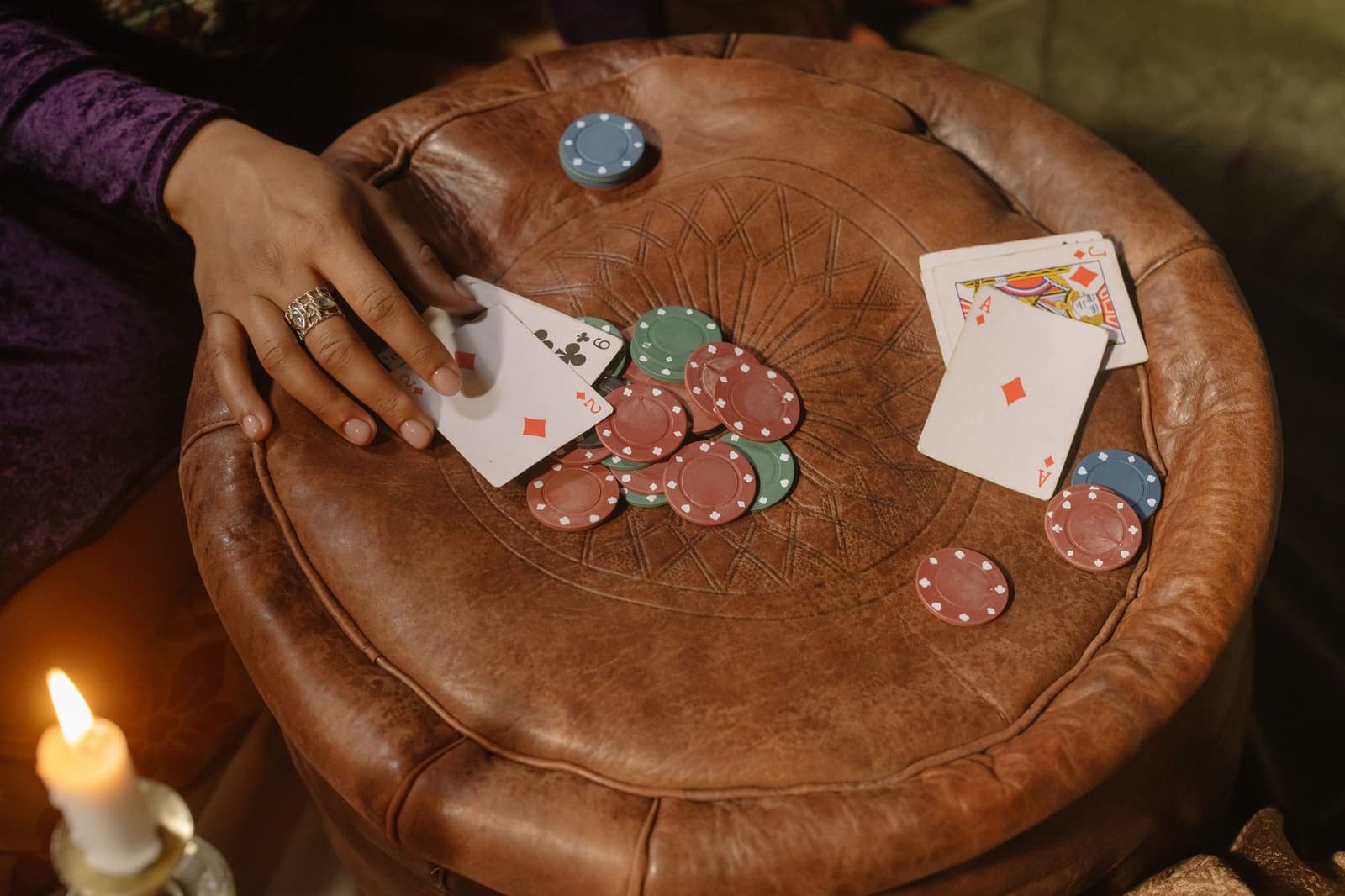
Casino etiquette: 12 things not to do at a casino table, ranked
Most casino table rules exist so the game runs smoothly for everyone, and the most serious habit on this list rests on a misunderstanding about how the outcome is decided.
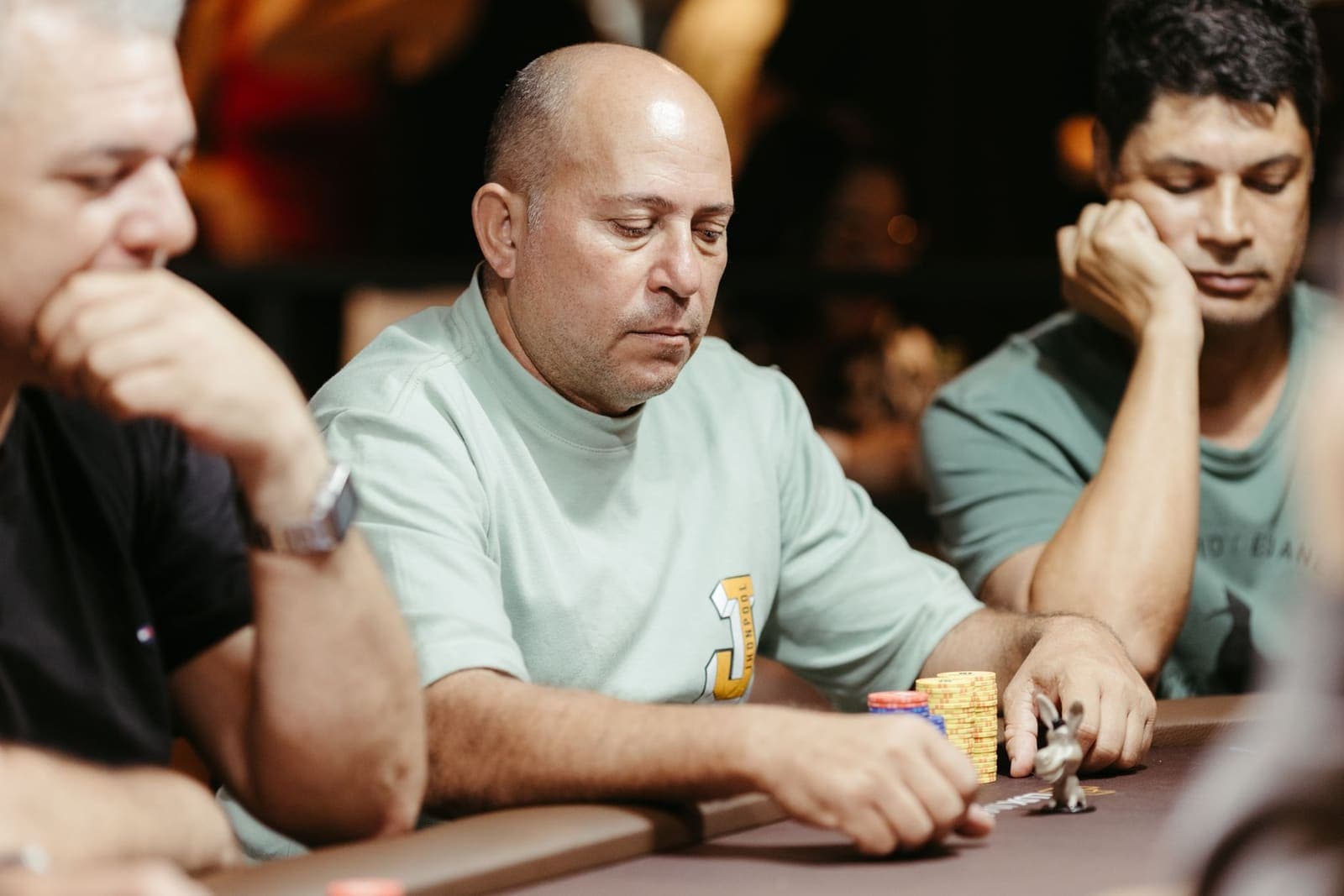
A casino table has its own unwritten code, and most of it exists so the game runs smoothly for the dealer, the other players and the casino. Visitors on their first trip to the Strip are often surprised by how formal a live table feels, even in a busy room. For a wider picture of the casino floor, see our Las Vegas casino guide.
This list ranks twelve common habits from the mildest to the most disruptive, judged by how much they slow the game, annoy the people beside you or cause trouble for the dealer. The order is a judgement call rather than a published rule, but each habit is one that dealers and floor staff commonly discourage. Unfamiliar terms are explained in our glossary of casino terms.
Twelve habits at a glance, counted down from the mildest
- 12. Asking the dealer for advice on every hand
- 11. Reaching across the layout for another player's chips
- 10. Keeping a phone out during play
- 9. Tipping with loose notes instead of chips
- 8. Leaving cash on the felt
- 7. Leaving a bet behind when you step away
- 6. Pulling back or changing a bet once cards are out
- 5. Placing a bet after betting has closed
- 4. Touching the cards in live blackjack
- 3. Rushing the dealer or calling for a faster game
- 2. Arguing with the dealer over a ruling
- 1. Blaming the dealer for the outcome
Several of these habits come down to one principle: the dealer is running a game with set procedures, and the cards, chips and wheel should be left alone once play has started. Our guide to live dealer casinos explains how studios and cameras shape what players see at the table. Keeping that principle in mind makes most of the list easy to follow.
Good table manners cost nothing and keep the game moving
Most of these habits cost nothing to avoid, and the one that matters most, blaming the dealer, is also the one most often based on a misunderstanding. A roulette result or a blackjack hand comes from the game's random process and the rules regulators require, not from the person spinning the wheel or dealing the cards. Our piece on whether a roulette dealer can control where the ball lands looks at this in detail. For the places where a player's own decisions do change results, the blackjack mistakes list is a useful next read.
Every habit above assumes a relaxed, respectful table, and the usual cost of getting it wrong is a slower game and a quiet word from floor staff. Anyone who finds that gambling is taking more time or money than they intended should look at the safer gambling and help lines page. The house edge table on our tools page shows the mathematics behind every game in plain terms.
- 12
Asking the dealer for advice on every hand
Dealers run the game but are generally not there to recommend strategy, and asking on every hand slows the table for everyone else. Players who want guidance usually rely on published basic strategy charts, which show the recommended play for each combination of cards. A chart is quicker to use than repeated questions at the table.
The intention is usually harmless, but the shared pace is what suffers.
- 11
Reaching across the layout for another player's chips
The layout is shared, and reaching over someone else's bets to adjust your own or grab a chip is one of the most common causes of disputes. Floor staff may need to review footage to settle who placed what, and that can hold up the whole table. Ask the dealer for help and keep your arms on your own side of the felt.
- 10
Keeping a phone out during play
Many casinos ask players to keep phones away during a round, and some tables do not allow them at all. A screen in hand makes it harder to notice when it is your turn or to follow the dealer's signals. Phones also tend to end up in the way of chips and cards, so put it away and check the rules for the table before sitting down.
- 9
Tipping with loose notes instead of chips
Tipping is customary in many casinos, though never compulsory, and is usually handled with a chip placed in the tip box or handed to the dealer directly. Passing a folded note across the table in the middle of a hand can be awkward and can slow a busy game. If the table has no clear tip box, ask a floor attendant how the house prefers it.
- 8
Leaving cash on the felt
Cash is generally kept off the layout, because the felt is reserved for chips and bets. Money left on the table can be confused with a wager, and in many casinos cash must be exchanged through the cage or the approved chip purchase process. Keep notes in your pocket or wallet until the exchange has been handled properly.
- 7
Leaving a bet behind when you step away
Walking off a seat while a wager sits on the layout leaves the dealer and other players guessing whether you are still playing. Many casinos do not allow bets to be left unattended, and the dealer may clear the wager at the end of the round. If you are leaving, take your chips back or tell the dealer first.
- 6
Pulling back or changing a bet once cards are out
Once the cards are dealt, a wager is locked, and taking chips back or changing the amount mid-hand is not allowed in most casinos. The rule protects the house and the other players from a bet that reacts to what has already happened. A player who wants a different wager should wait for the next round.
- 5
Placing a bet after betting has closed
Each round has a betting window, and the dealer signals when it closes, often with a spoken call or a gesture. Chips added after that signal are usually refused or returned, and insisting on a late bet holds up the table. Watch for the signal and place wagers before it comes.
- 4
Touching the cards in live blackjack
In most live blackjack games, players are asked to keep their hands off the cards once they have been dealt, leaving the dealer to handle them. The cards are part of a controlled process, and the table is monitored by cameras so that play can be checked. Touching a card, even by accident, can prompt a warning from the floor. Use the table's signals to indicate your decision instead.
- 3
Rushing the dealer or calling for a faster game
Dealers work to a set procedure, and pressure to speed things up tends to produce errors that slow the game more than they save time. Calling out, tapping the felt or commenting on the pace is noticed by the other players, many of whom are there to relax. Let the dealer set the rhythm of the round.
- 2
Arguing with the dealer over a ruling
A ruling can seem wrong in the moment, but the dealer follows the house rules displayed at the table or by the casino. Arguing rarely changes the result and often leads to a supervisor being called to the game. Ask politely what the rule is, and if you still disagree, raise it with a floor supervisor away from the table.
- 1
Blaming the dealer for the outcome
This is the most serious habit on the list because it rests on a mistake about how casino games work. Dealers do not decide where a roulette ball lands or which card comes next, and results come from the game's random process rather than from the person handling the cards or wheel. Regulators such as the UK Gambling Commission and the Nevada Gaming Control Board set standards for fair play, and a dealer blamed for a loss has not caused it. Accepting that losses are part of the house's edge keeps the table friendly for everyone.
Frequently asked questions
Is touching the cards at a live blackjack table bad etiquette?
In most live blackjack games, players are asked to keep their hands off the cards once they have been dealt. Dealers handle the cards, and tables are watched by cameras as part of normal casino supervision. Use the table's hand signals to indicate your decision instead.
Do you have to tip the dealer at a casino?
No tip is compulsory at a casino table, but tipping dealers is customary in many casinos. Tips are usually given as chips placed in the tip box or handed to the dealer directly. Ask a floor attendant if the table has no clear tip box.
Can you leave cash on a casino table?
Cash is generally not left on the felt at a casino table, because the layout is reserved for chips and bets. Money should be exchanged through the cage or the approved chip purchase process before play begins. Keeping notes out of the betting area avoids confusion and keeps the game moving.
Can you change a bet after the cards have been dealt?
In most casinos, a bet cannot be changed or withdrawn once a round has started, including after cards have been dealt at blackjack. Players who want a different wager should wait for the next round, when the betting window opens again. This applies to most table games, not only blackjack.
Can a roulette dealer control where the ball lands?
No. Roulette results are determined by the spinning wheel and the ball, and regulators such as the Nevada Gaming Control Board require the games to be fair. The dealer's role is to run the game and pay out winning bets according to the rules.
Is it rude to use your phone at a casino table?
Using a phone at a casino table is often discouraged, and many casinos ask players to keep phones away during a round. A phone can distract from the dealer's signals and slow the game for other players. Check the house rules at the specific table before sitting down.
Can you ask the dealer for blackjack advice?
Dealers run the game and are generally not there to recommend strategy on each hand. Players who want guidance usually rely on published basic strategy charts, which show the recommended play for each combination of cards. Repeated questions at the table slow the game for everyone else.
Sources: UK Gambling Commission, Nevada Gaming Control Board, GamCare, checked and rewritten by the Casino Courant desk. Spotted an error? Tell us.
More on United States, Las Vegas, UK gambling
Casino Courant is independent and does not offer gambling. We do not take payment for editorial coverage. 18+. Gamble responsibly.