What is Volatility?
Volatility, also called variance, describes how a game distributes its return: low-volatility games pay small wins often, high-volatility games pay larger wins less frequently.
Two slots can have the same RTP but behave very differently. A low-volatility game might return frequent wins of one or two times the stake, keeping a balance relatively steady. A high-volatility game might go dozens or hundreds of spins with little return, with most of its RTP concentrated in rare features or large wins.
Studios usually describe volatility on a scale, such as low, medium and high, or a rating out of five. It is not a standard regulated measure, so labels differ between suppliers. Volatility also shapes how far short-term results can stray from the RTP: the higher it is, the wider the range of likely outcomes in a session.
For players, volatility affects how quickly a budget can run down and how likely long losing streaks are. It does not change the expected loss over time, which is set by the house edge.
In the news
 Top 10
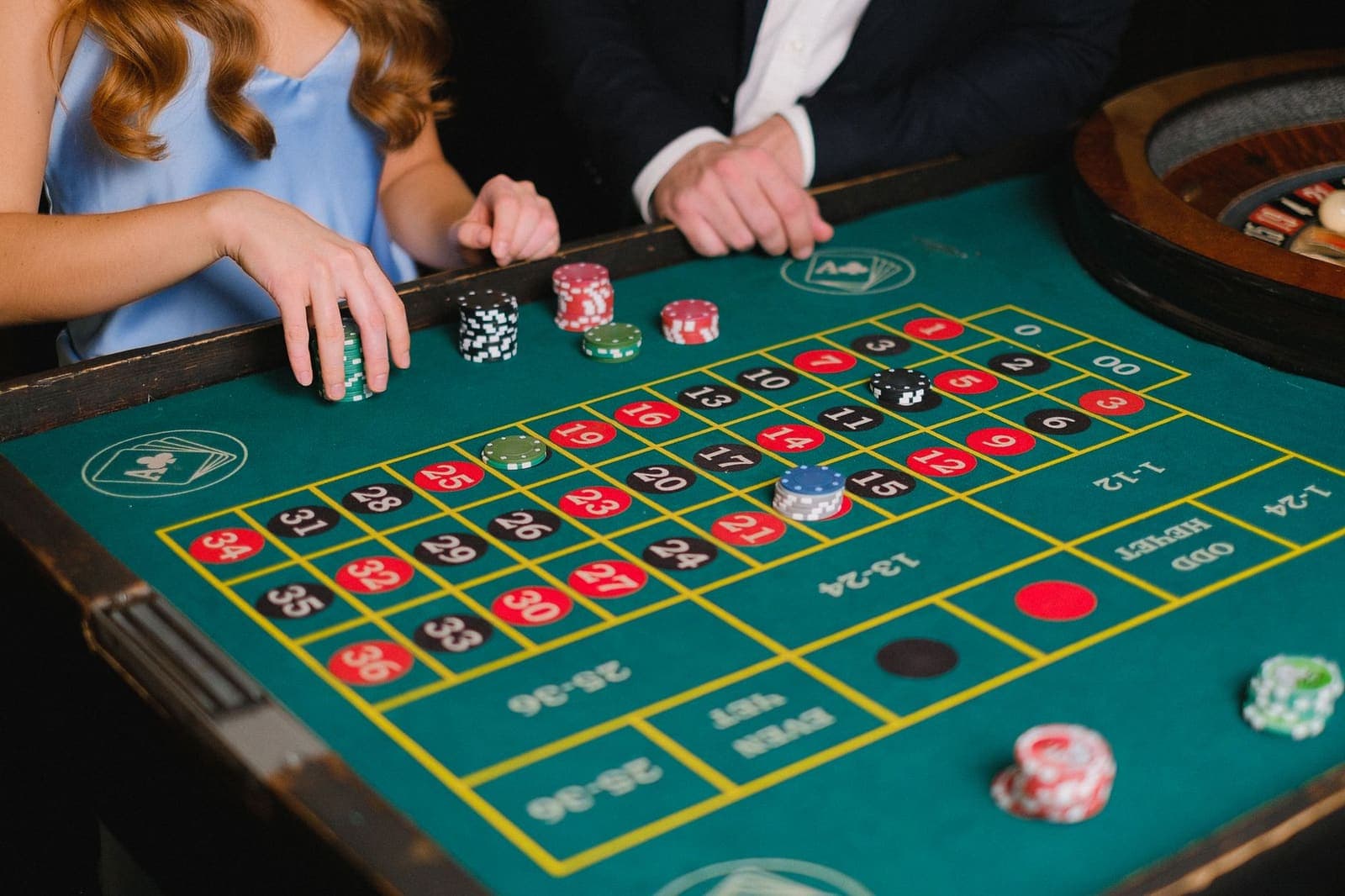
The 9 biggest slot releases of the past two weeks
From a 15,000x Pragmatic Play fishing title to a Queen-branded IGT cabinet, here are the most notable new casino games of early October 2026.
 Guide
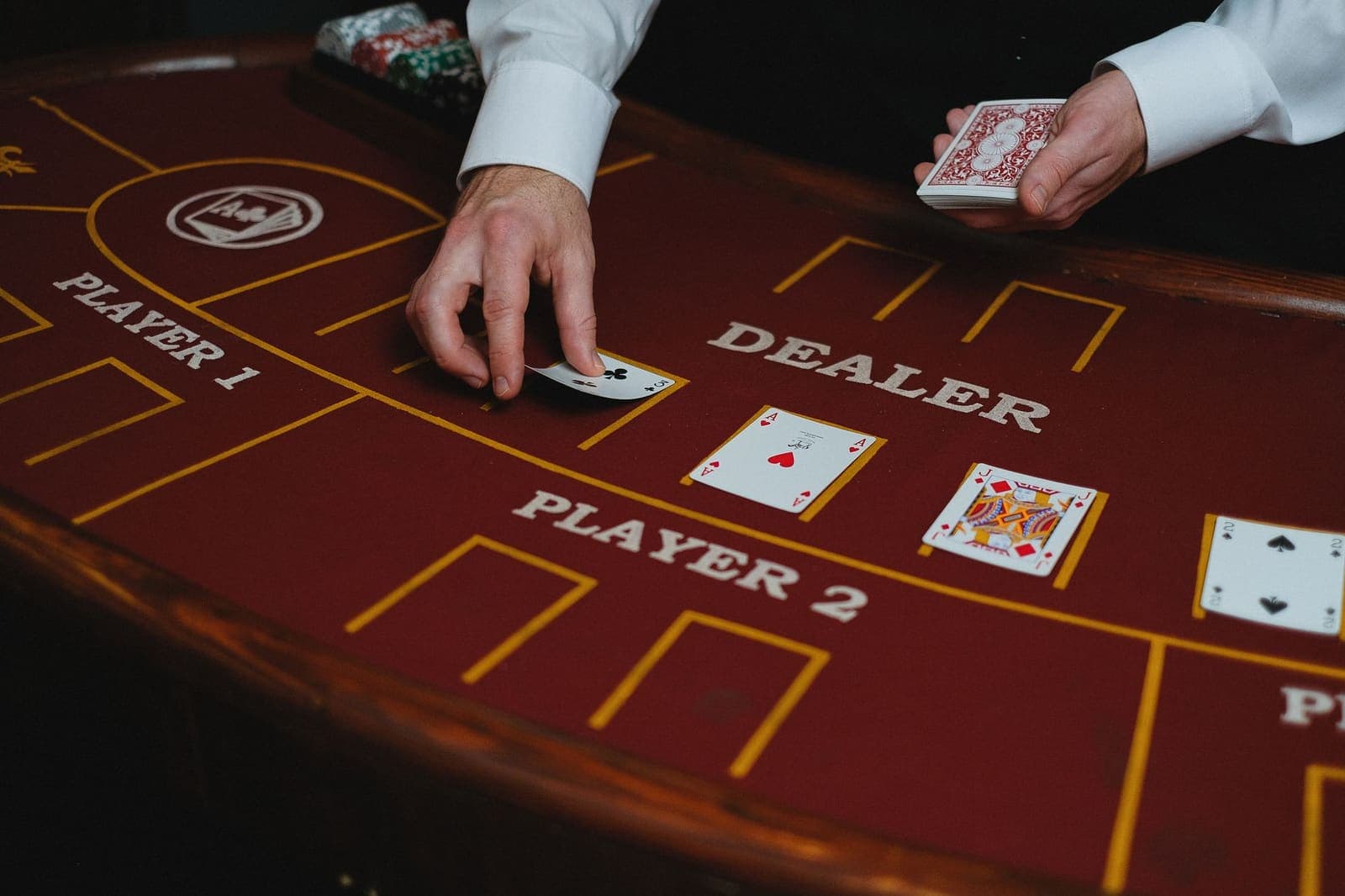
GuideHouse edge explained: how casinos make money on every game
Every casino game is built with a built-in mathematical advantage for the house, here is how it works and why it never disappears.
 Guide
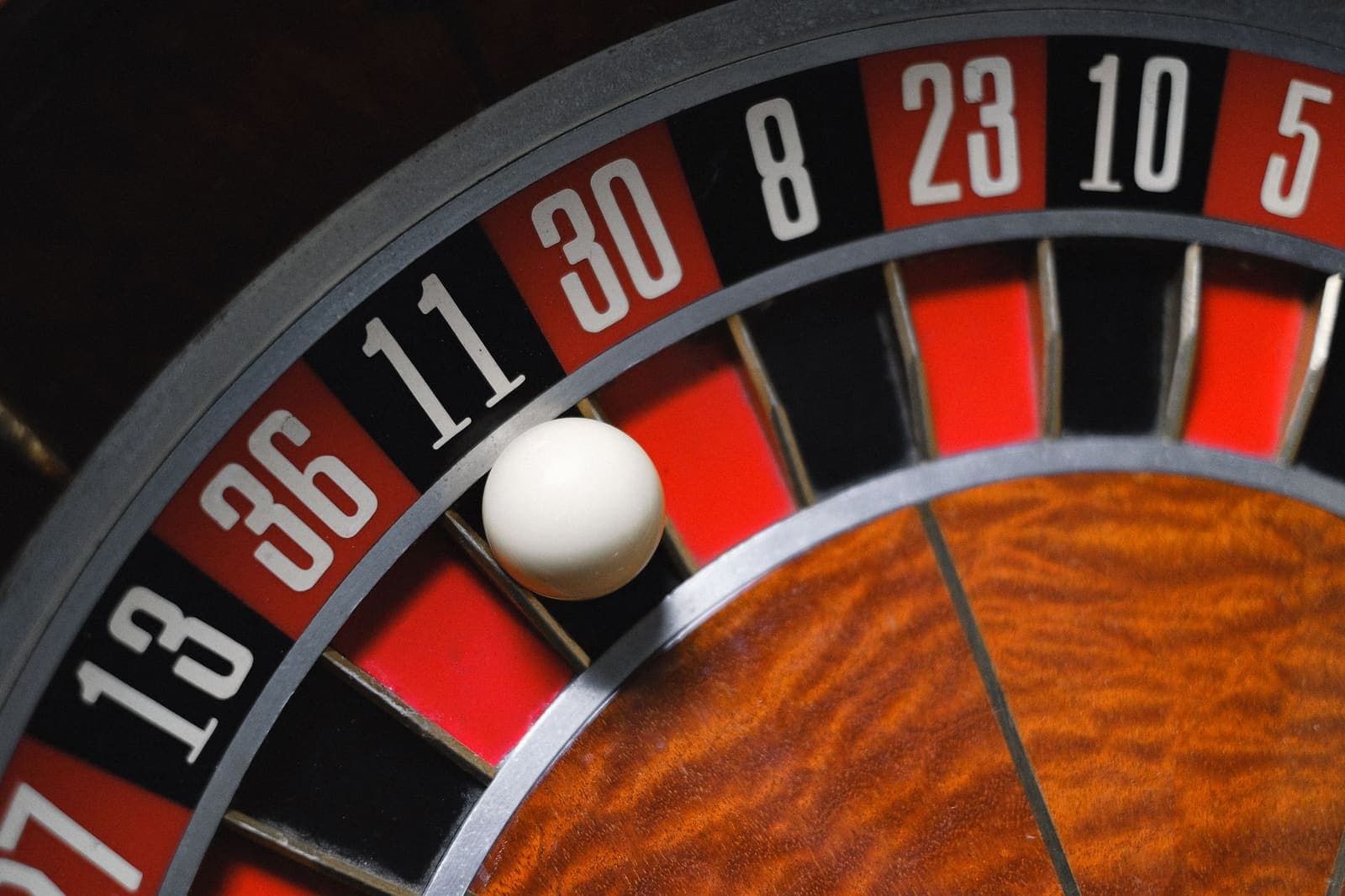
GuideWhat is RTP? Return to player explained
A plain-English guide to return to player, the percentage that shows how slot and casino games pay out over time.
 Games
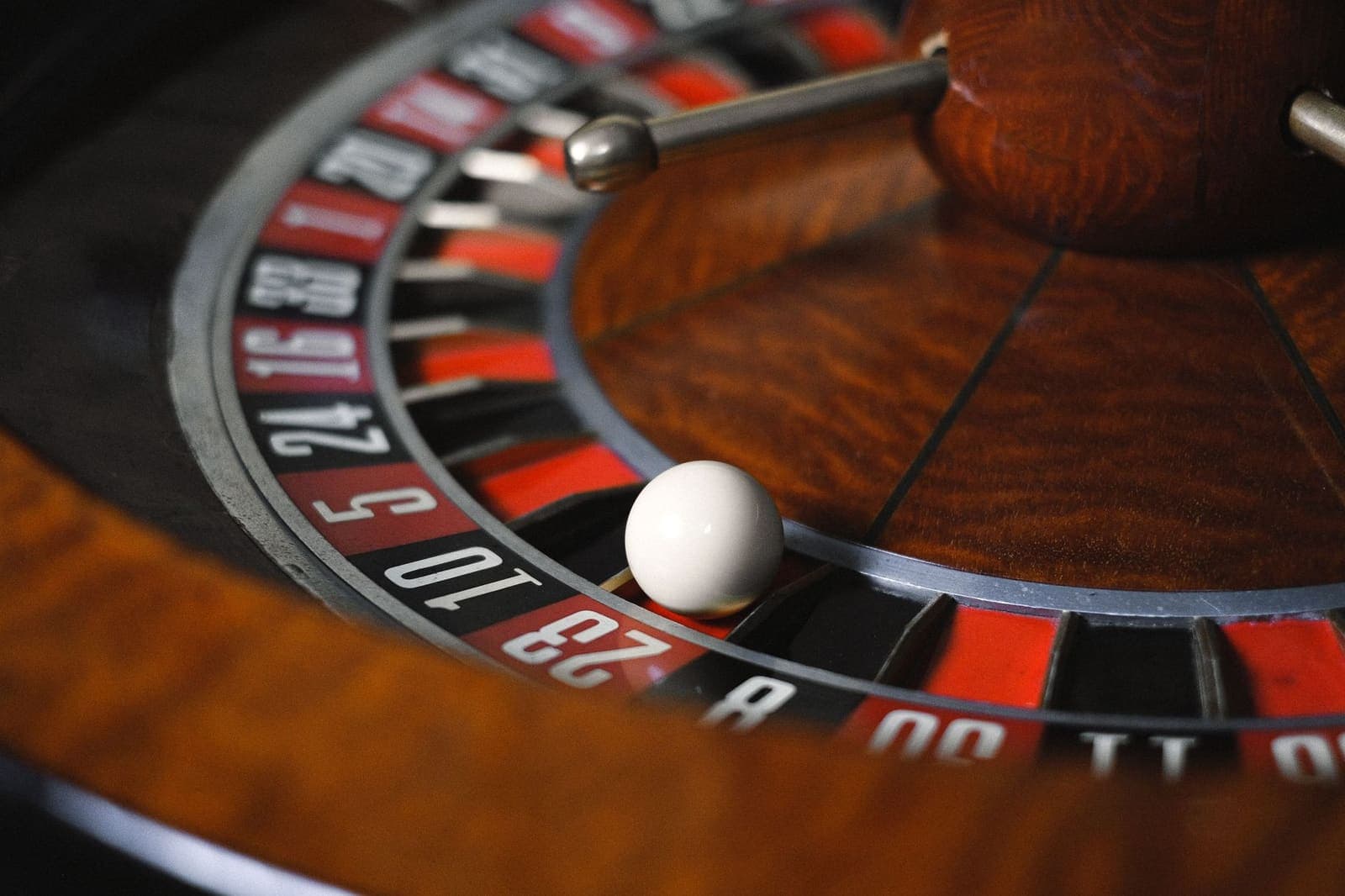
GamesHacksaw Gaming teases new Marlin Masters: Frozen Frenzy slot
Details are thin, but early listings reveal the core numbers behind Hacksaw Gaming's upcoming fishing-themed slot.
 Games
GamesPragmatic Play lines up Starlight Princess Oranje Jackpot slot for October release
A jackpot-linked version of the popular Starlight Princess slot is due from Pragmatic Play, with a below-average return to player of 92.10 percent.