What is Basic strategy?
Basic strategy is the mathematically optimal set of blackjack decisions for every player hand against every dealer upcard, minimising the house edge without counting cards.
The first rigorous version was published in September 1956 by Roger Baldwin, Wilbert Cantey, Herbert Maisel and James McDermott in the Journal of the American Statistical Association. Today, computer simulations produce charts showing whether to hit, stand, double, split or surrender for each situation, adjusted for the table's rules.
Following basic strategy can reduce the house edge in a typical multi-deck game to roughly 0.5%, depending on rules such as payouts for blackjack, doubling restrictions and whether the dealer hits soft 17. Deviating from it, for example by never hitting a 12 or taking insurance, increases the cost of play.
Basic strategy does not give the player an advantage. It only makes blackjack one of the lowest-edge games in the casino.
In the news
 Ranked
10 blackjack mistakes dealers see every night, ranked by what they cost
The costliest error is sitting down at a 6:5 blackjack table, and the list runs down through insurance, split tens and missed doubles.
 History
The MIT blackjack team: how students, card counting and a book became 21
Students from MIT used card counting and team play at blackjack tables, and their story became a book and the film 21.
 Versus
Live dealer vs RNG tables: same game, different odds?
Live dealer and RNG tables often share the same house edge when the rules match, so the real differences lie in pace, control and trust.
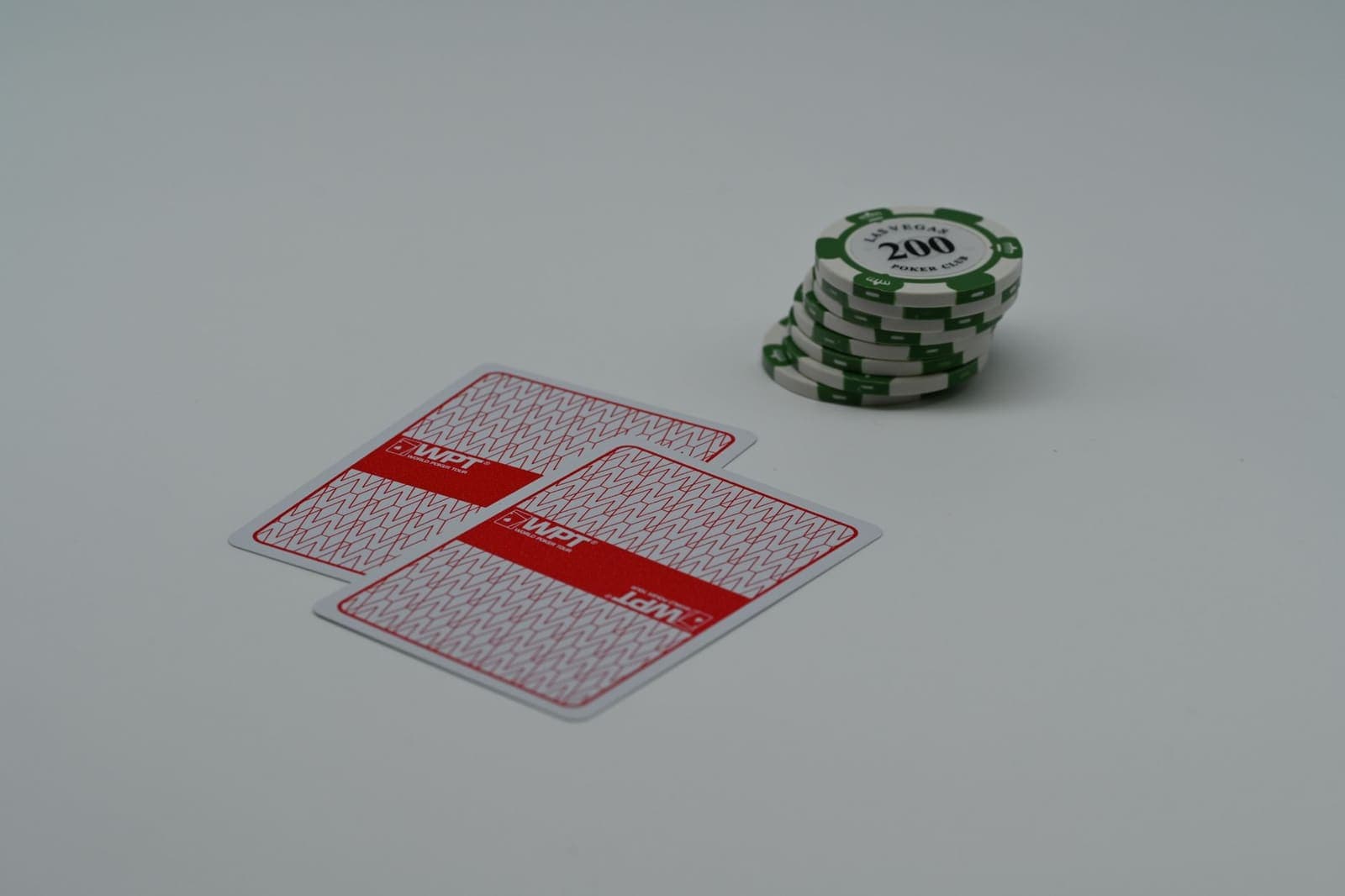 Versus
Poker vs blackjack: which game rewards skill more?
Blackjack pits the player against the house under fixed rules. Poker pits players against each other, so skill plays out against people rather than the casino.
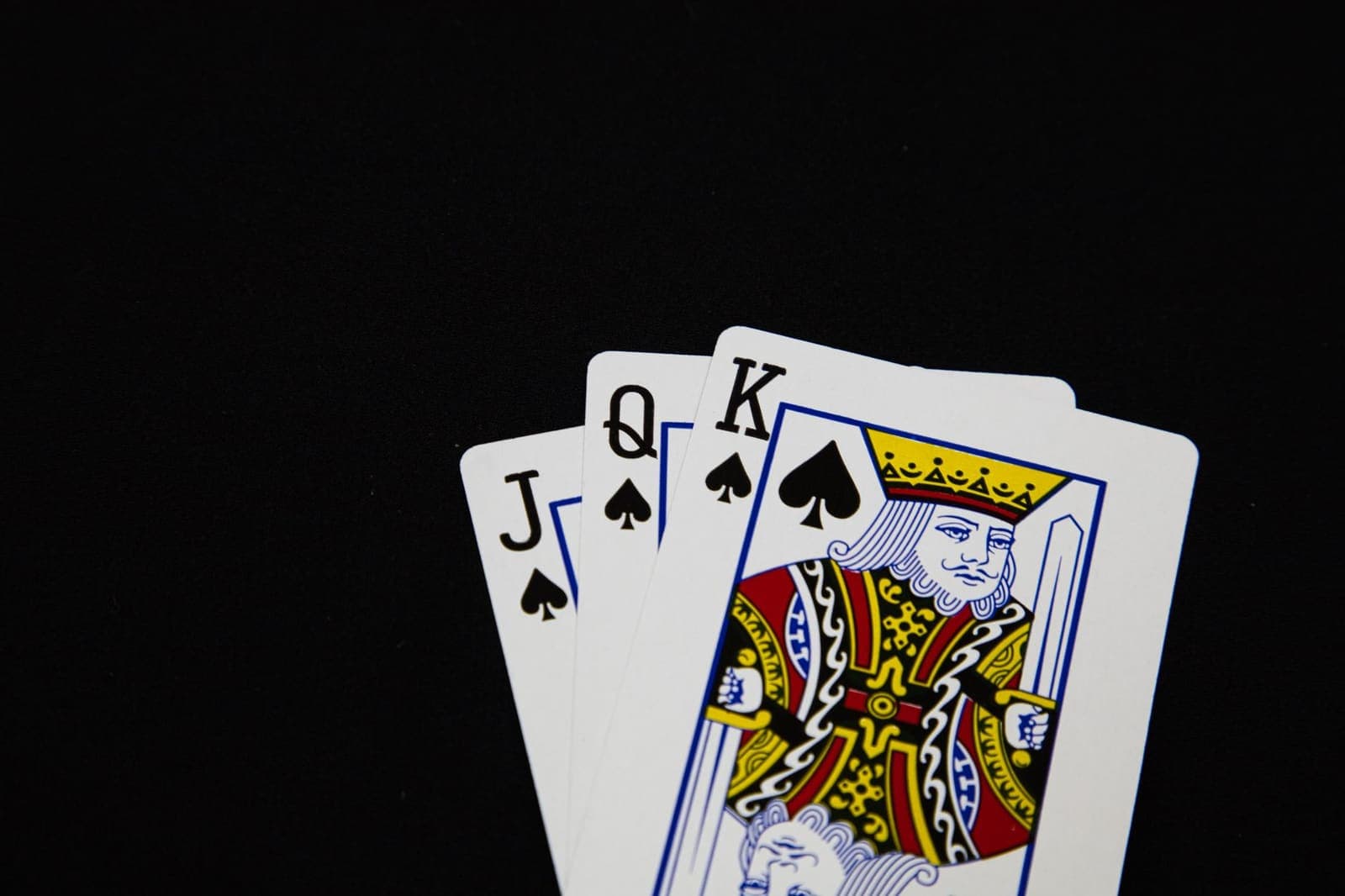 Ranked
10 blackjack variants and what each rule costs you
Most blackjack variants look like the same game with a twist. The twist usually moves the house edge, and the cost sits in the pay table and the deck and dealer rules.