Monte Carlo casino history: how a gambling concession rescued Monaco
Monaco was short of money in the 1850s. A gambling licence, and the businessman who ran the Monte Carlo casino, changed the principality's finances for decades.
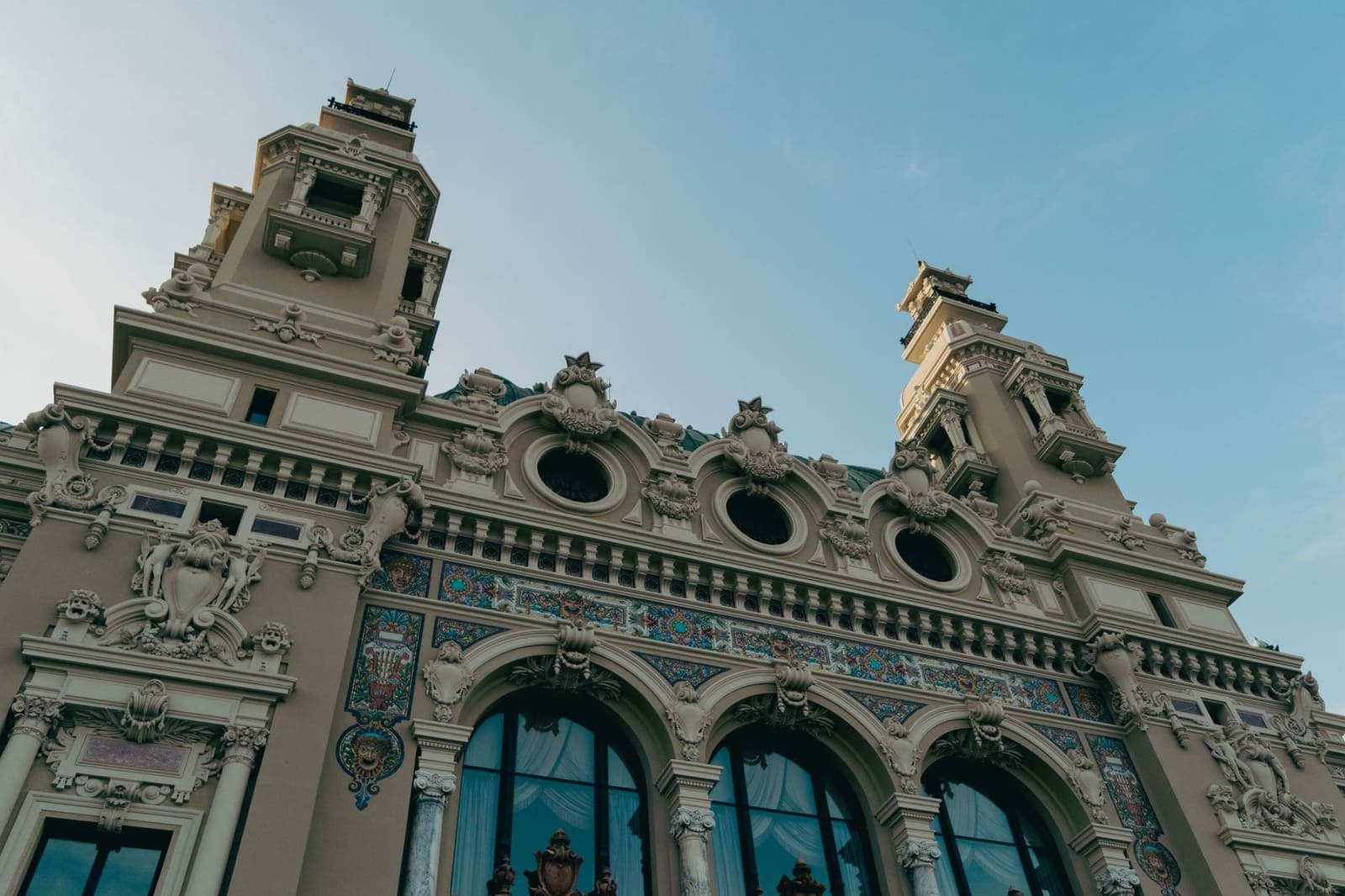
Monaco is a principality of about two square kilometres on the Mediterranean coast. By the middle of the nineteenth century its finances were in poor shape, and according to most accounts its ruler needed a source of income that could be raised quickly. The answer he chose, a licensed casino, became one of the best known gambling venues in the world and still shapes the principality today.
A principality short of money
Gambling had been banned in Monaco for some years before the 1850s. In 1856 Prince Charles III lifted that ban and allowed games of chance under a concession. Most historians link the decision to the state's weak finances, although accounts differ on how severe the shortfall was.
A concession offered something the small state lacked: a steady income that did not depend on taxing a limited population. The prince also gave the new venture a lasting place name, as the district that grew around the casino took its name from him.
The concession and François Blanc
The licence went to François Blanc, a businessman with experience of running casinos. He had managed the casino at Bad Homburg, a German spa town, until Germany outlawed gambling in 1872 and the tables there closed.
In 1863 Blanc's company, the Société des Bains de Mer, was founded to run the gaming rooms and the resort around them. Its work went well beyond the tables, and the company became the central organisation of Monaco's tourism economy.
Building the resort around the tables
The casino was not built as a single building in isolation. The development around it grew over the following decades, and visitors were drawn to a combination of entertainment, accommodation and scenery.
- A casino building designed by the architect Charles Garnier, who also designed the Paris Opera
- Hotels built to house visitors who came for the season
- A theatre and opera house in the district named after the prince
- Gardens and promenades along the cliffs above the sea
- A rail connection with Nice on the coast
The wheel, the zero and the legend
The European roulette wheel carries a single zero, which gives the house a smaller edge than the double zero found on many American wheels. The house edge on a single zero wheel is about 2.7 per cent, compared with about 5.26 per cent on a double zero wheel. Many historians credit the gaming rooms at Monte Carlo with helping to make the single zero standard in Europe, although the exact origin of the design is debated.
The Gambler, a novella by Fyodor Dostoevsky first published in 1866, is set in a fictional German spa town and draws on the author's own losses at the gaming tables.
What the casino did for Monaco
Revenue from the casino helped fund the principality for decades, and gambling and tourism became central to its economy. Monaco does not levy personal income tax on most residents, and the revenue from the gaming rooms was a key part of the state's finances in its formative years.
In 1966 Aristotle Onassis acquired control of the Société des Bains de Mer. Over the twentieth century the casino's share of state income changed as other sectors grew, but the company remained one of the largest employers in the principality.
What remains
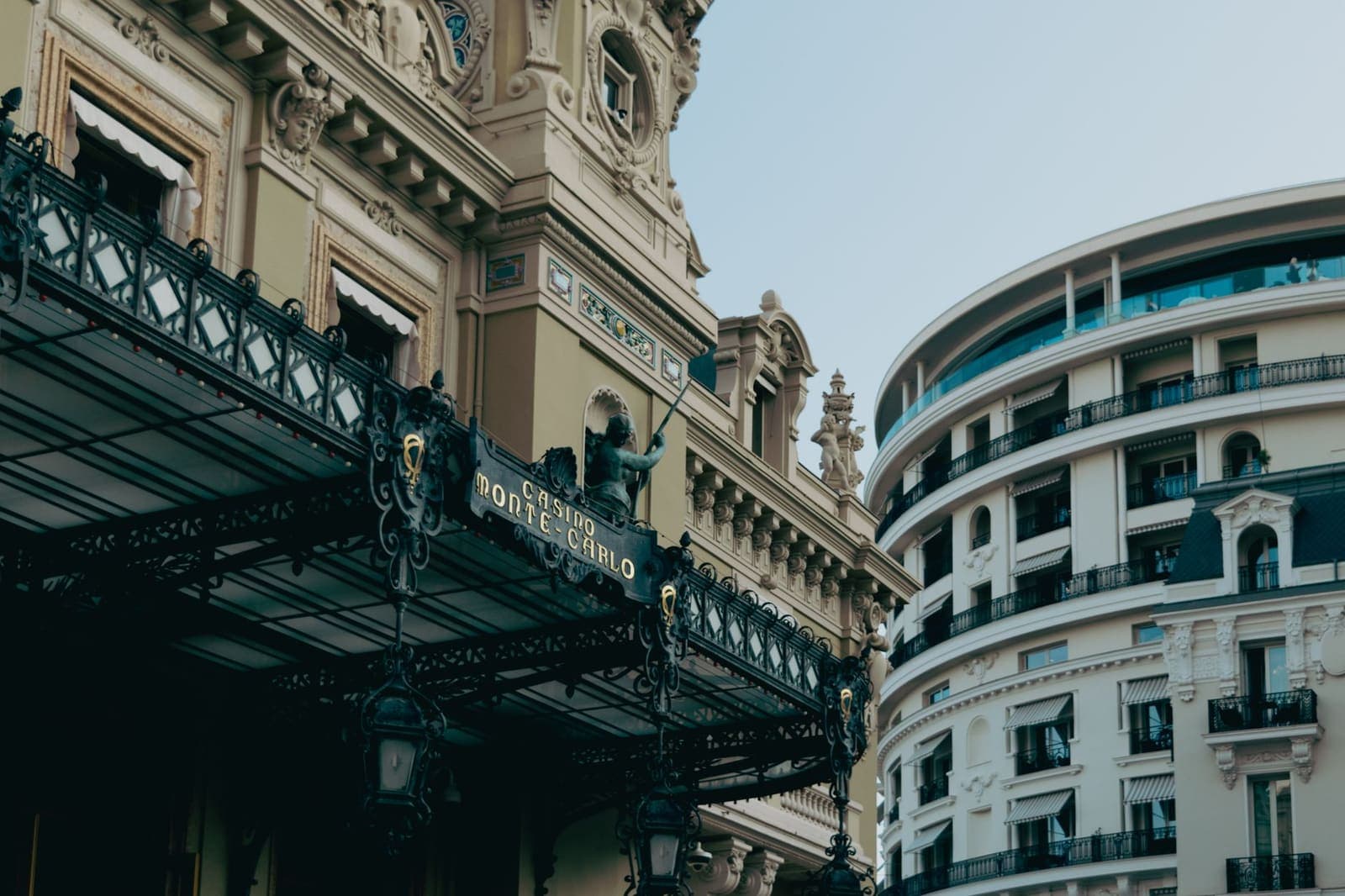
The Casino de Monte-Carlo still stands and continues to operate under the Société des Bains de Mer. Its story is often cited as an example of a small state turning a licensed gambling venue into a national asset, although historians debate how much the casino alone shaped that outcome. For other long-running venues, see the list of the oldest casinos still open.
Gambling rules differ widely between countries, and the legal gambling guide explains where it is permitted. Readers who want to understand the terms used in the industry can consult the casino glossary, and support for anyone worried about their own gambling is set out on the responsible gambling page.
Frequently asked questions
Why did Monaco allow gambling in the 1850s?
Monaco's finances were weak, and the prince needed a steady source of income. A gambling concession gave the state a way to raise revenue, which historians generally link to the decision.
Who was François Blanc?
François Blanc was a businessman who had run a casino at Bad Homburg in Germany before he took on the Monaco concession. He was a founder of the Société des Bains de Mer, the company that ran the Monte Carlo casino and its surrounding resort from 1863.
Is the Monte Carlo casino still open?
Yes, the Casino de Monte-Carlo continues to operate and is run by the Société des Bains de Mer. It remains one of the best known casinos in Europe.
Sources: Government of the Principality of Monaco, Britannica: Monaco, checked and rewritten by the Casino Courant desk. Spotted an error? Tell us.
Casino Courant is independent and does not offer gambling. We do not take payment for editorial coverage. 18+. Gamble responsibly.