Do casinos really have no clocks and no windows?
Partly true. Many gaming floors still have few visible clocks and no outside view, but newer resorts have added windows and daylight, and the odds never depended on the time of day.
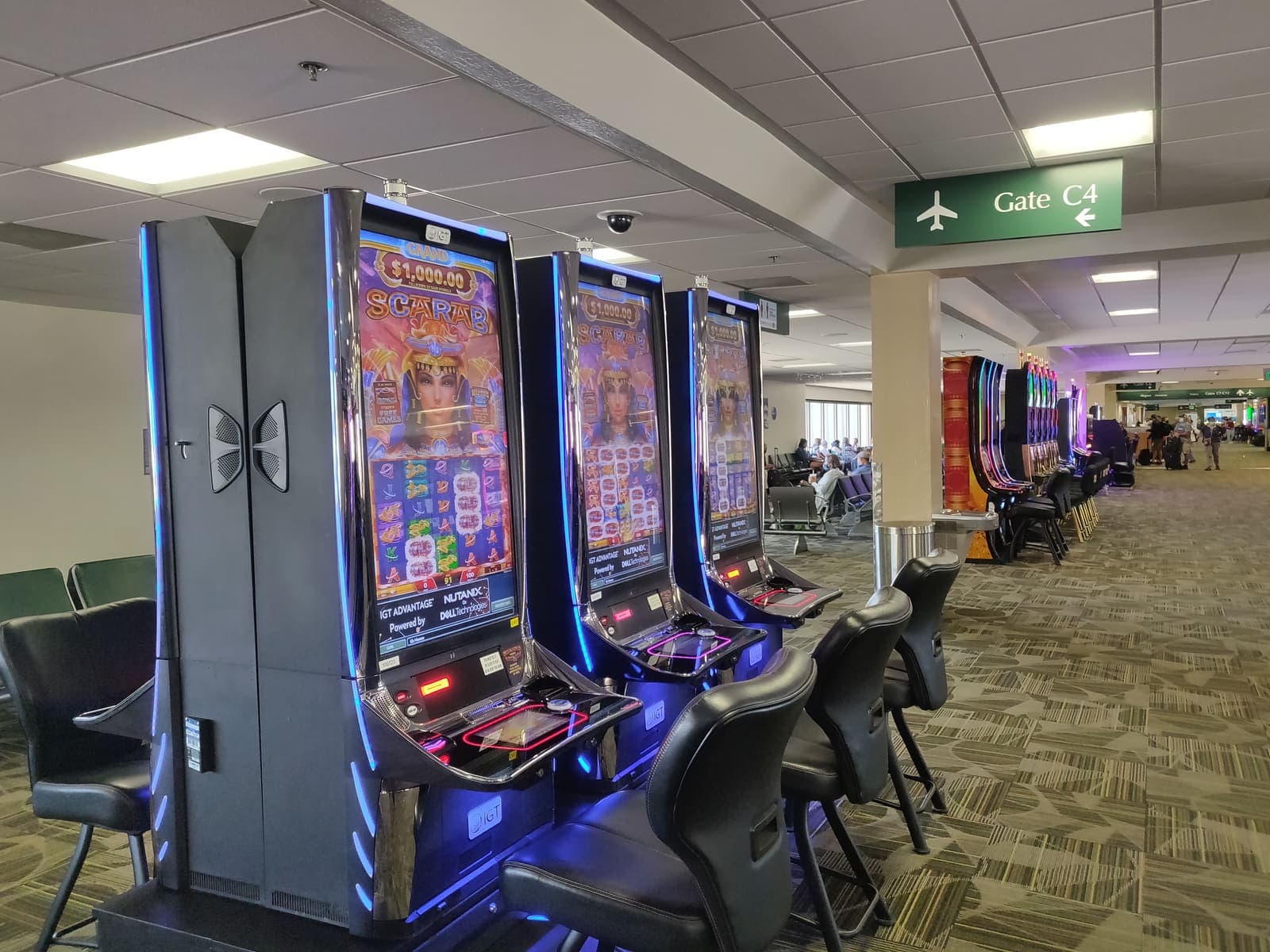
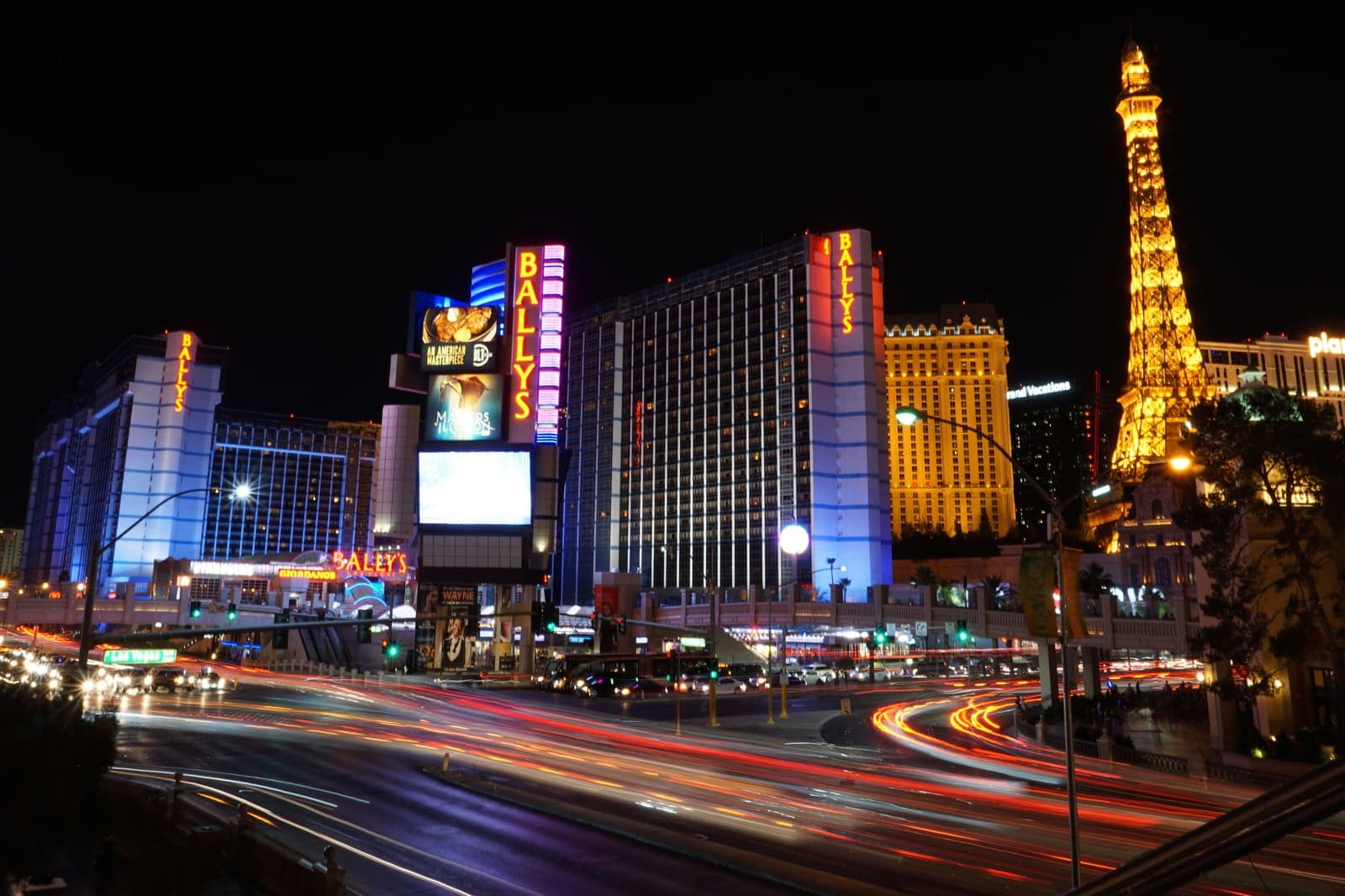
Las Vegas floors built enclosed and climate-controlled
Ask around and someone will tell you that casinos are built without clocks or windows so that guests lose track of time and keep playing. The idea appears in films, travel features and gambling forums, and it is attached to many large gaming floors around the world. The logic is simple: without daylight there is no sense of the hour, and without a visible clock there is no reminder to leave.
The belief has a real origin. Many gaming floors, particularly in Las Vegas, were built as enclosed, climate-controlled spaces with no view of the outside, and that tradition is still visible today. Industry commentators have long described the absence of windows and clocks as a deliberate design choice rather than an accident.
Clocks in restaurants and corridors, glass in newer towers
The strongest version of the claim, that every casino hides the time, does not hold up. Many casinos do have clocks, usually in restaurants, back-of-house areas, entrances and corridors. Some gaming areas show none, but guests can still check the time on a phone, a watch or a hotel room clock.
Windows are a different story. Older gaming floors were often enclosed, and some still are. Newer resort towers have added large glass walls, atriums and views over streets or waterfronts, especially in hotel lobbies and restaurants. The modern resort model, which combines hotels, shops, dining and entertainment, has pushed daylight into many parts of the property even where the gaming floor remains enclosed. The history of the Strip is covered in our piece on how the Las Vegas Strip began.
The design choices have practical reasons as well as atmospheric ones. A windowless floor allows lighting, temperature and air to be controlled throughout the day, and it keeps outside distractions away from the tables and machines. The link between these choices and how long people play is widely discussed, but it has not been firmly measured in published research.
Why the odds stay the same
The house edge on a game is set by its rules and payouts, not by the room it is played in. A European roulette wheel with a single zero has a house edge of about 2.7 per cent on a straight-up bet, and that figure is the same at noon as it is at midnight. Our glossary of casino terms explains house edge, RTP and other terms used in game design.
Partly true: enclosed floors remain, but not everywhere
Partly true. Some casinos, particularly enclosed gaming floors, have few or no visible clocks and few windows, so the tradition is real. It is not a universal rule, however, and modern resorts have added clocks, windows and daylight in many areas. The reasoning that guests play longer when they lose track of time is an idea about atmosphere, not a proven fact about results.
Set a time limit before play, using a phone or timer
Whether or not a room has a clock, the time spent at a table or machine is a decision the player makes. Setting a time limit before you start, and using a phone, watch or timer as a reminder, is a simple way to stay in control. Anyone who finds it hard to stop, or who feels that gambling is affecting their life, can find free and confidential support through our safer gambling and help lines page.
Frequently asked questions
Do all casinos have no clocks?
No. Many casinos display clocks in restaurants, corridors and back-of-house areas, and some gaming floors simply show none. Guests can usually check the time on a phone or watch.
Why do some casinos have no windows?
Enclosed gaming floors allow lighting, temperature and air to be controlled all day and keep outside distractions away. The reasons are usually described as practical and atmospheric, although the effect on playing time has not been firmly measured.
Does the absence of a clock change the odds?
No. The odds and house edge of each game are set by its rules and payouts, and they do not change with the time of day or the presence of a clock.
Do newer casinos have windows?
Newer resort towers have added large glass walls, atriums and views over streets or waterfronts, especially in hotel lobbies and restaurants. Daylight has reached many parts of these resorts even where the gaming floor itself remains enclosed.
Is there proof that losing track of time makes people play longer?
No. The link between windowless design and how long people play is widely discussed but has not been firmly measured in published research. The idea that guests play longer when they lose track of time is about atmosphere rather than a proven fact about results.
What can a player do to stay in control of time spent gambling?
Setting a time limit before play, and using a phone, watch or timer as a reminder, is a simple way to stay in control. The time spent at a table or machine is a decision the player makes, whether or not the room has a clock.
Where can people get help if gambling is becoming a problem?
Anyone who finds it hard to stop, or who feels that gambling is affecting their life, can find free and confidential support through the safer gambling and help lines page on Casino Courant. The page is linked from the article's closing section.
Sources: Nevada Gaming Control Board, UK Gambling Commission, Casino, Wikipedia, checked and rewritten by the Casino Courant desk. Spotted an error? Tell us.
More on United States, Las Vegas
Casino Courant is independent and does not offer gambling. We do not take payment for editorial coverage. 18+. Gamble responsibly.