Where is online casino gambling legal in the US? A state-by-state guide
Eight states have legalised real-money online casinos, seven of them with live markets, while dozens allow only sports betting and a growing list has banned sweepstakes casinos.
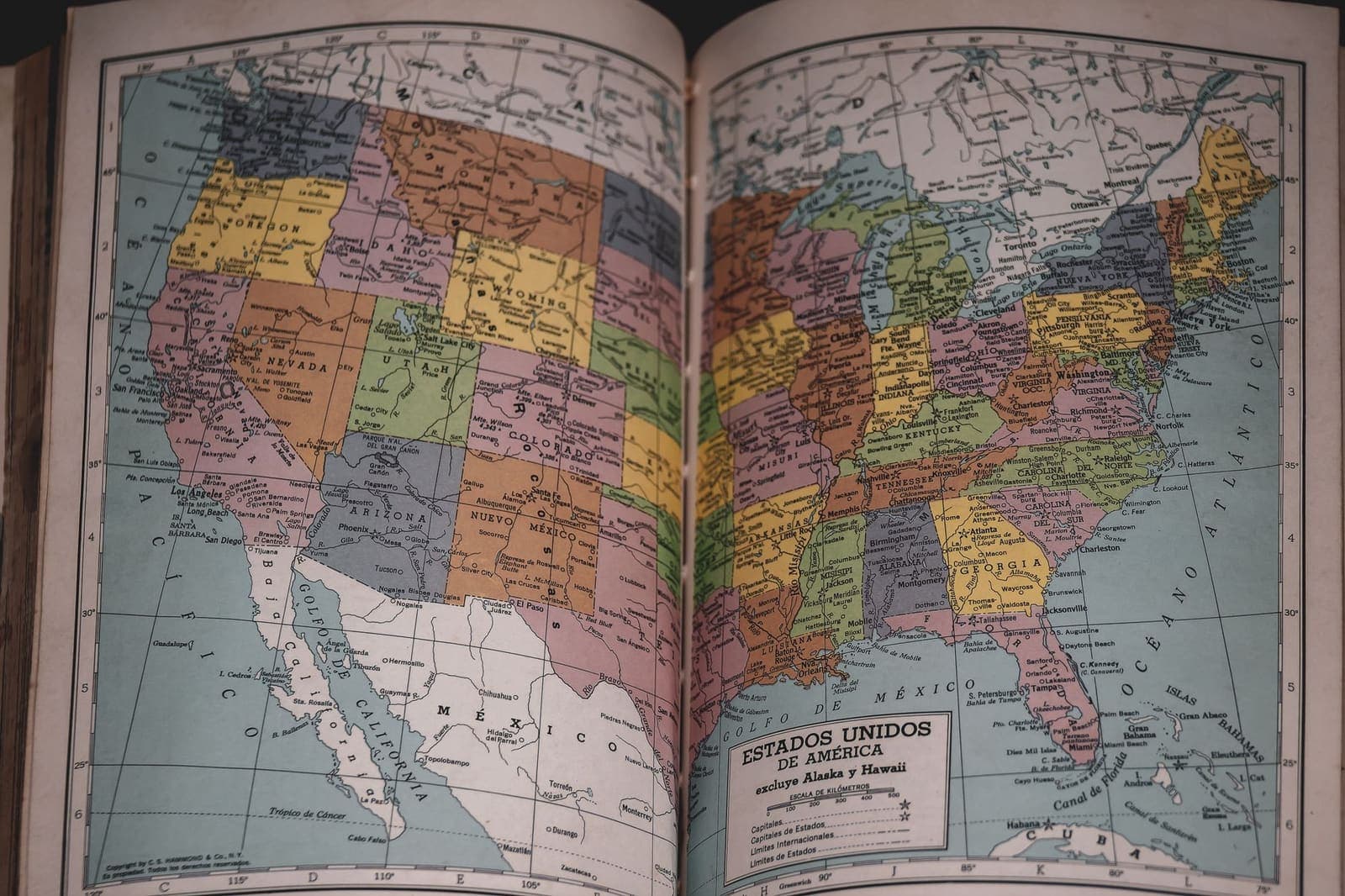
Online casino gambling is not legal across the United States as a whole. It is legal only where an individual state has passed a law to regulate it, and as of October 2026 that applies to eight states: Connecticut, Delaware, Maine, Michigan, New Jersey, Pennsylvania, Rhode Island and West Virginia. Maine has not yet launched, so seven states currently have live, regulated markets.
Nevada, the home of American casino gambling, is a notable outlier. It regulates online poker but does not permit real-money online slots or table games, according to a state-by-state review published by CBS Sports on 1 October 2026.
Why each state decides for itself
There is no federal licence for online casinos. Federal law sets the outer boundaries, chiefly the Wire Act of 1961 and the Unlawful Internet Gambling Enforcement Act of 2006, but it leaves the question of whether to legalise and regulate gambling largely to the states. Each legal market is therefore run by its own regulator, with its own tax rate, licensing rules and age limits.
In practice this means that legality depends on where a player is physically located, not where they live or where an operator is based. Licensed sites use geolocation checks to confirm that a customer is inside the state's borders before allowing real-money play.
States with legal online casinos and when they launched
- Delaware: launched in 2013, with online gaming run through the state lottery.
- New Jersey: launched in 2013 and now the largest and most competitive market, with more than 25 operators.
- Pennsylvania: launched in 2019 under the Pennsylvania Gaming Control Board.
- West Virginia: launched in 2020 under the West Virginia Lottery.
- Michigan: launched in January 2021 under the Michigan Gaming Control Board.
- Connecticut: launched in October 2021, with online casino gaming reserved for the state's two tribal nations, the Mashantucket Pequot and the Mohegan.
- Rhode Island: launched on 5 March 2024 as a single-operator market overseen by the state lottery.
- Maine: legalised in January 2026 for the state's four Wabanaki Nations only; no launch date has been set.
The first three states moved in quick succession in 2013, after a 2011 opinion from the Justice Department narrowed the Wire Act to sports betting and opened the door to intrastate online gaming. Growth then stalled for several years. Pennsylvania's launch in 2019 began a second wave, and Connecticut's official launch on 19 October 2021 was announced by Governor Ned Lamont.
Maine: legal, but not yet live
Maine's law, LD 1164, became law in January 2026 when Governor Janet Mills allowed it to pass without her signature. It grants exclusive online casino rights to the Penobscot Nation, the Passamaquoddy Tribe, the Houlton Band of Maliseet Indians and the Mi'kmaq Nation. The Maine Gambling Control Unit must still write the rules for licensing, games, payments and advertising before any site can open.
The law is also being challenged in court. Oxford Casino and its owners filed suit in the US District Court for the District of Maine on 23 January 2026, arguing that the tribal-only model discriminates against non-tribal businesses, the Portland Press Herald reported. The four tribes have intervened to defend the law. Most observers now expect a launch in late 2026 at the earliest, and possibly in 2027.
States that allow sports betting but not online casinos
Sports betting has spread far faster than online casino gaming since the Supreme Court struck down the federal sports betting ban in Murphy v. NCAA in May 2018. Around 39 states plus Washington, DC now permit some form of sports wagering, retail or online. Subtract the eight online casino states and that leaves roughly 31 states, plus the capital, where a resident may be able to bet on a football game legally but cannot play online slots or blackjack for real money.
That group includes some of the biggest betting markets in the country, among them New York, Illinois, Ohio, Massachusetts, Arizona, Colorado, Virginia, Maryland and North Carolina. Several have debated online casino bills. In 2026 New York lawmakers reintroduced legislation, Maryland's Senate bill stalled, and Virginia's two chambers advanced rival bills that both carried a clause requiring approval again in 2027, which means a Virginia launch is unlikely before 2028. None became law.
A handful of states, including California and Texas, still allow neither regulated sports betting nor online casinos.
The sweepstakes casino debate and the wave of bans
In states without regulated online casinos, a grey market of so-called sweepstakes casinos grew rapidly. These sites use a dual-currency model: one virtual currency is used for free play, while a second can be won or received as a bonus and redeemed for cash prizes. Operators argue this keeps them within sweepstakes law because no purchase is necessary. Regulators, tribal gaming groups and licensed operators argue the games are online gambling by another name, without the consumer protections, tax obligations or age checks of a licensed market.
Legislatures have increasingly sided with the critics. In 2025 six states banned the model by statute: Montana, Connecticut, Nevada, New Jersey, California and New York. California's AB 831 was signed by Governor Gavin Newsom on 11 October 2025 and took effect on 1 January 2026, and it extends liability to payment processors, suppliers and affiliates. New York's ban was signed by Governor Kathy Hochul on 5 December 2025 and took effect immediately, according to Casino Reports.
The trend continued in 2026. Indiana's HB 1052 was signed on 12 March and took effect on 1 July, as Covers reported. Louisiana's ban took effect on 1 August, Maine passed LD 2007 against dual-currency games, Tennessee's governor signed a ban on 22 May, and Oklahoma's legislature overrode Governor Kevin Stitt's veto of SB 1589 on 14 May, with the ban due to take effect on 1 November 2026, according to a review of 2026 legislation by InfoLawGroup.
What to check before playing
Because the rules change every legislative session, the most reliable source is the gaming regulator in the state where you are physically located. Regulated sites display their licence details and are listed on the regulator's website. Every regulated market requires players to be at least 21 and offers responsible gambling tools such as deposit limits and self-exclusion.
Frequently asked questions
Is online gambling legal in the US?
It depends on the state and the type of gambling. Real-money online casino games are legal in eight states, seven of which have live markets, while online sports betting is legal in many more. There is no nationwide licence.
Which states have legal online casinos in 2026?
Connecticut, Delaware, Michigan, New Jersey, Pennsylvania, Rhode Island and West Virginia have live regulated markets. Maine legalised online casinos in January 2026 but had not launched as of October 2026.
Is online gambling legal in Nevada?
Nevada regulates online poker, which has been available since 2013. Real-money online slots and table games are not permitted, so Las Vegas casinos cannot offer them online.
Are sweepstakes casinos legal?
That depends on the state. At least eleven states have banned dual-currency sweepstakes casinos by law since 2025, including California, New York, New Jersey and Indiana, and more legislatures are considering bans.
Sources: CBS Sports, Portland Press Herald, Office of the Governor of Connecticut, Casino Reports, Covers, InfoLawGroup, SBC Americas, checked and rewritten by the Casino Courant desk. Spotted an error? Tell us.
More on Slots
Casino Courant is independent and does not offer gambling. We do not take payment for editorial coverage. 18+. Gamble responsibly.