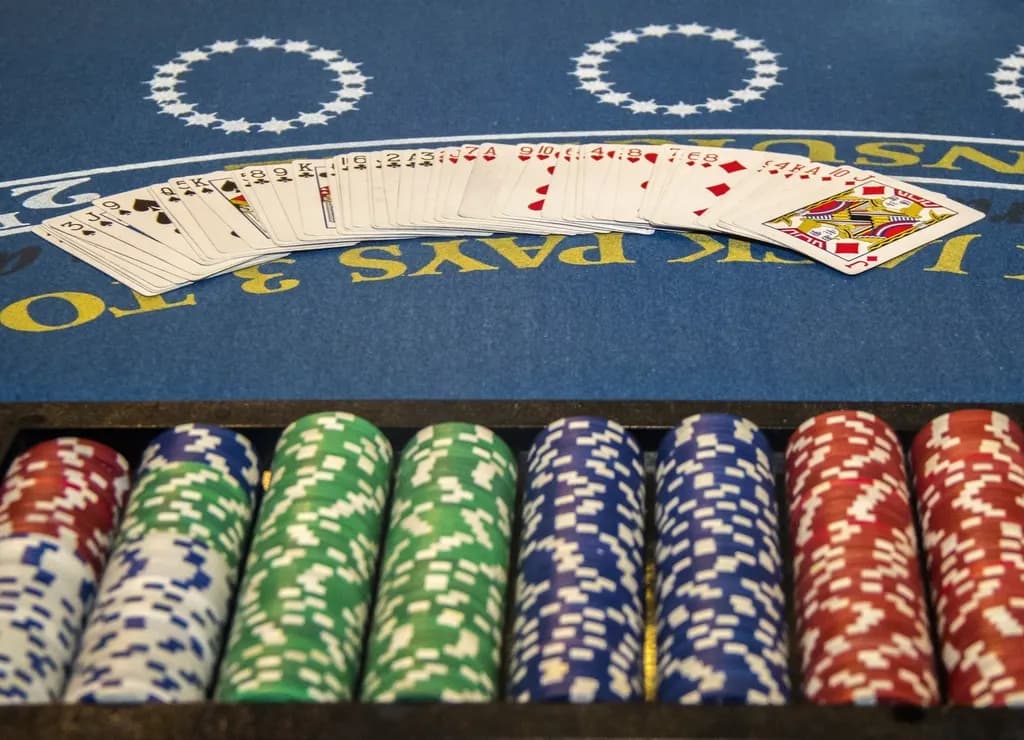
Phil Ivey edge sorting: the baccarat case's key rulings, ranked by reach
London's courts called Phil Ivey's baccarat play cheating, while a New Jersey appeal court found that the same technique fell outside the state's gaming law.
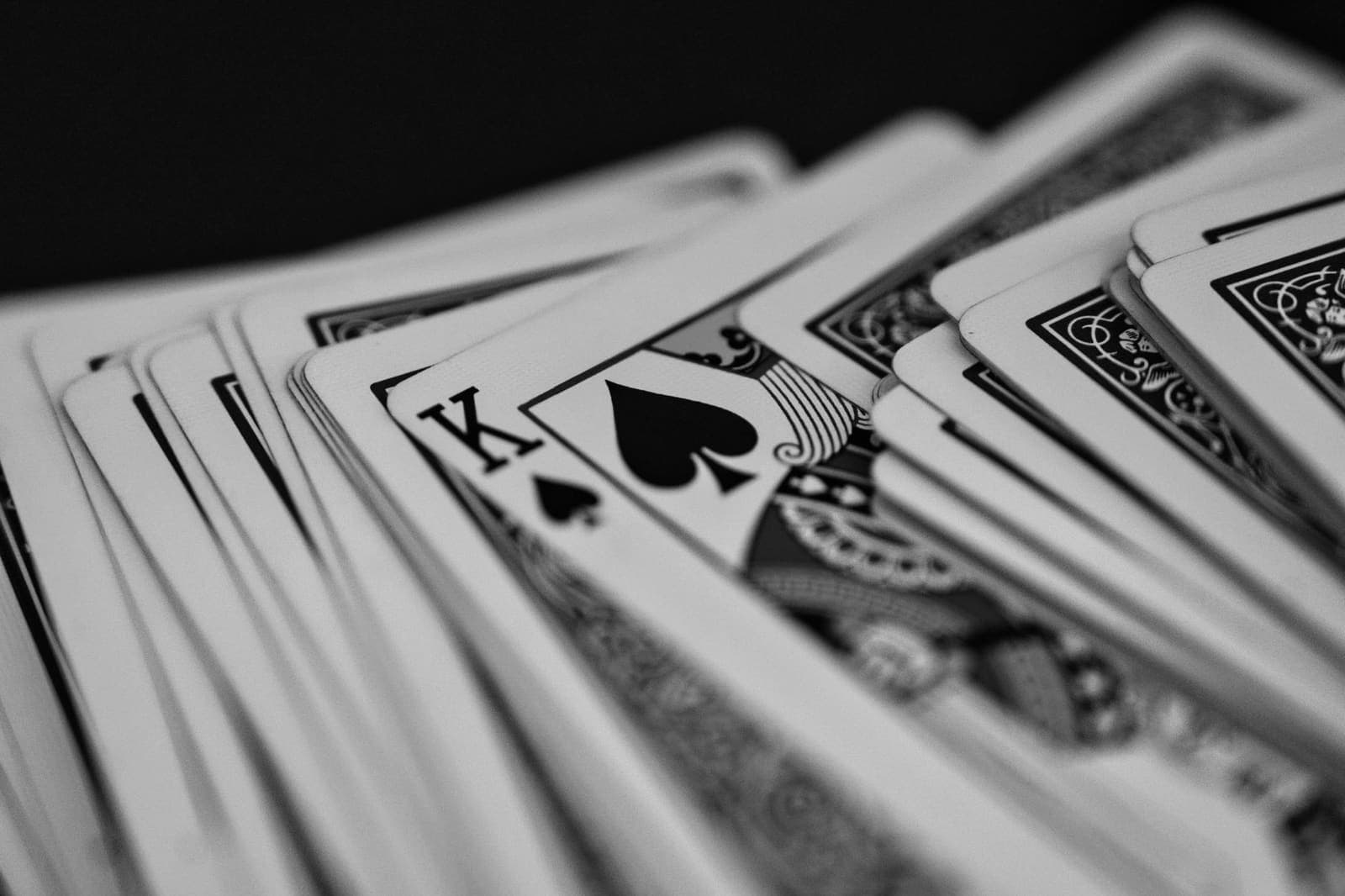
Few casino disputes have been argued as closely as the one over Phil Ivey and Kelly Sum at a baccarat table. The argument was not about a stacked deck or a hidden camera. It was about whether a player could read the faint patterns on the back of the cards and know, before the card was turned over, whether it was high or low.
The case ran for years in two countries and produced two very different verdicts. The overview below ranks the main rulings and moments by how far they reach beyond the single table where the money changed hands. A short glossary entry on the casino terms used in court may help readers new to the subject.
- UK Supreme Court, 2017: an objective test of dishonesty, applied to Crockfords' refusal to pay
- New Jersey appeal court: the Borgata's withheld winnings challenged under the state's gaming law
- London High Court, 2013: the first ruling that the winnings could be withheld
- Crockfords and Borgata sessions, 2012: the wins that started both disputes
- Card backs: the physical feature that made edge sorting possible
Two courts, two readings of the same card backs
Edge sorting works because the printed design on a card is not perfectly symmetrical. A player who knows which marks to look for can sort cards by value as they sit on the table, without touching them. The method does not change the odds of the game as such, but it gives the player information the house edge was never built to account for.
In the London case, Ivey asked the croupier to rotate certain cards so that the pattern faced a specific way, and the casino agreed. The courts had to decide whether that request, combined with the reading of the patterns, amounted to cheating. The same facts were then argued in New Jersey, where the rules on what counts as cheating are written differently. Readers who want the basic mechanics of the game can start with how to play baccarat, rules, bets and the house edge.
Where the cheating finding leaves casinos and players
The UK Supreme Court's 2017 judgment is the ruling with the widest reach. It moved the test for dishonesty away from a purely subjective view of what the player believed, which matters well beyond baccarat. According to the court's published decision, Ivey's appeal was dismissed and Crockfords' right to keep the winnings was upheld.
The New Jersey outcome shows how much depends on the statute. The appeal court found that edge sorting did not fall within the state's cheating provisions, so the Borgata's decision to keep the money could not stand on that basis. Industry observers still cite the two rulings together, because they show the same technique treated as cheating in one jurisdiction and not in another. Players who want to understand the odds on tables like this can read the responsible gambling guidance before playing.
- 1
UK Supreme Court, 2017: the objective test of dishonesty
This is the ruling with the widest reach. The court held unanimously that Phil Ivey's conduct at Crockfords was cheating, and it set out an objective test for dishonesty that applies beyond casinos.
For casinos, the judgment confirmed that a claim to winnings obtained by cheating can be defended in court. For players, the case made clear that a technique can be treated as dishonest even when the player believes it is legitimate.
- 2
New Jersey appeal court: edge sorting under the state's gaming law
The Borgata had withheld winnings from Ivey and Sum after their sessions in 2012. The New Jersey courts then examined whether edge sorting fell within the cheating provisions of the state's gaming law.
The appeal court's reasoning focused on the wording of the statute, not on the moral question that dominated London. The result meant the two casino disputes did not produce the same answer, even though the facts were closely similar.
- 3
London High Court, 2013: the first ruling for Crockfords
The High Court in London was the first court to examine the Crockfords dispute in detail. It accepted that the casino was entitled to withhold the winnings, a finding that later courts built on.
The ruling set the stage for the appeals that followed, and it made clear that the question was about the player's conduct at the table and not only the odds of the game.
- 4
Crockfords and Borgata sessions, 2012: the wins behind the cases
Ivey and Kelly Sum won about £7.7 million at Crockfords in London in 2012, according to figures reported during the case. The pair later won about $9.6 million at the Borgata in Atlantic City.
The scale of those wins is the reason both casinos took the matter to court. Baccarat is a game with a small house edge on the banker and player bets, so large results usually come from very large stakes rather than from any single clever insight.
- 5
Card backs: the physical feature that made edge sorting possible
Edge sorting depends on tiny asymmetries in the printed design on the back of each card. A player who can read those marks can separate high cards from low ones before they are dealt.
The lesson for casinos has been to treat card design and card handling as part of game security. The lesson for readers is simpler: a method that depends on the card backs does not change the house edge, and the edge still applies to every bet.
Markets: MGM stock today
Frequently asked questions
What is edge sorting in baccarat?
Edge sorting is a technique in which a player reads small patterns on the back of the cards to tell high cards from low ones before they are dealt. The UK Supreme Court described the method in its 2017 judgment on the Crockfords dispute. It does not change the house edge of the game, but it gives the player information the odds were not built to account for.
How much did Phil Ivey win at Crockfords?
Phil Ivey and Kelly Sum won about £7.7 million at Crockfords in London in 2012, according to figures reported during the case. The casino later refused to pay those winnings, and the dispute went through the English courts. The UK Supreme Court upheld the casino's position in 2017.
How much did the Borgata withhold from Phil Ivey?
The Borgata in Atlantic City withheld about $9.6 million from Phil Ivey and Kelly Sum after their sessions in 2012. The dispute was then argued in New Jersey's courts. The appeal court's ruling turned on how the state's gaming law defines cheating.
Why did London and New Jersey reach different verdicts?
The London courts applied a test of dishonesty drawn from English law, and the UK Supreme Court found the conduct to be cheating. The New Jersey appeal court read the state's gaming statute on its own terms and found that edge sorting did not fall within its cheating provisions. The same facts therefore led to different answers in each jurisdiction.
Did the UK Supreme Court rule that Phil Ivey cheated?
Yes, the UK Supreme Court held unanimously in 2017 that Phil Ivey's conduct at Crockfords amounted to cheating. The court dismissed his appeal and upheld the casino's right to keep the winnings. The judgment also set out an objective test for dishonesty that applies beyond casinos.
Can a casino keep winnings it says came from cheating?
In the Crockfords case, the English courts allowed the casino to withhold the winnings because the conduct was found to be cheating. In New Jersey, the appeal court found that edge sorting did not fall within the state's cheating law, so the Borgata's position did not hold. Whether winnings can be kept depends on the jurisdiction and the law that applies.
Is edge sorting still a concern for casinos?
Casinos treat card design, card handling and the orientation of cards as part of game security. The Crockfords and Borgata cases are still cited in discussions of how to protect table games. Players who want to understand the odds on baccarat can start with the responsible gambling guidance on the site.
Sources: UK Supreme Court, New Jersey Division of Gaming Enforcement, Wikipedia: Phil Ivey, checked and rewritten by the Casino Courant desk. Spotted an error? Tell us.
More on United States, Atlantic City, UK gambling
Casino Courant is independent and does not offer gambling. We do not take payment for editorial coverage. 18+. Gamble responsibly.