Macau casino guide: Cotai, the peninsula and what to know before you visit
Macau is widely described as the world's largest casino market, and its Cotai resorts, peninsula hotels, baccarat tables and entry rules shape any visit.
Macau is a Special Administrative Region of China on the southern coast, a short ferry ride from Hong Kong. It is the only part of China where casino gambling is permitted, and it is widely described as the largest casino market in the world by gross gaming revenue, the industry term for the amount wagered minus the winnings paid out.
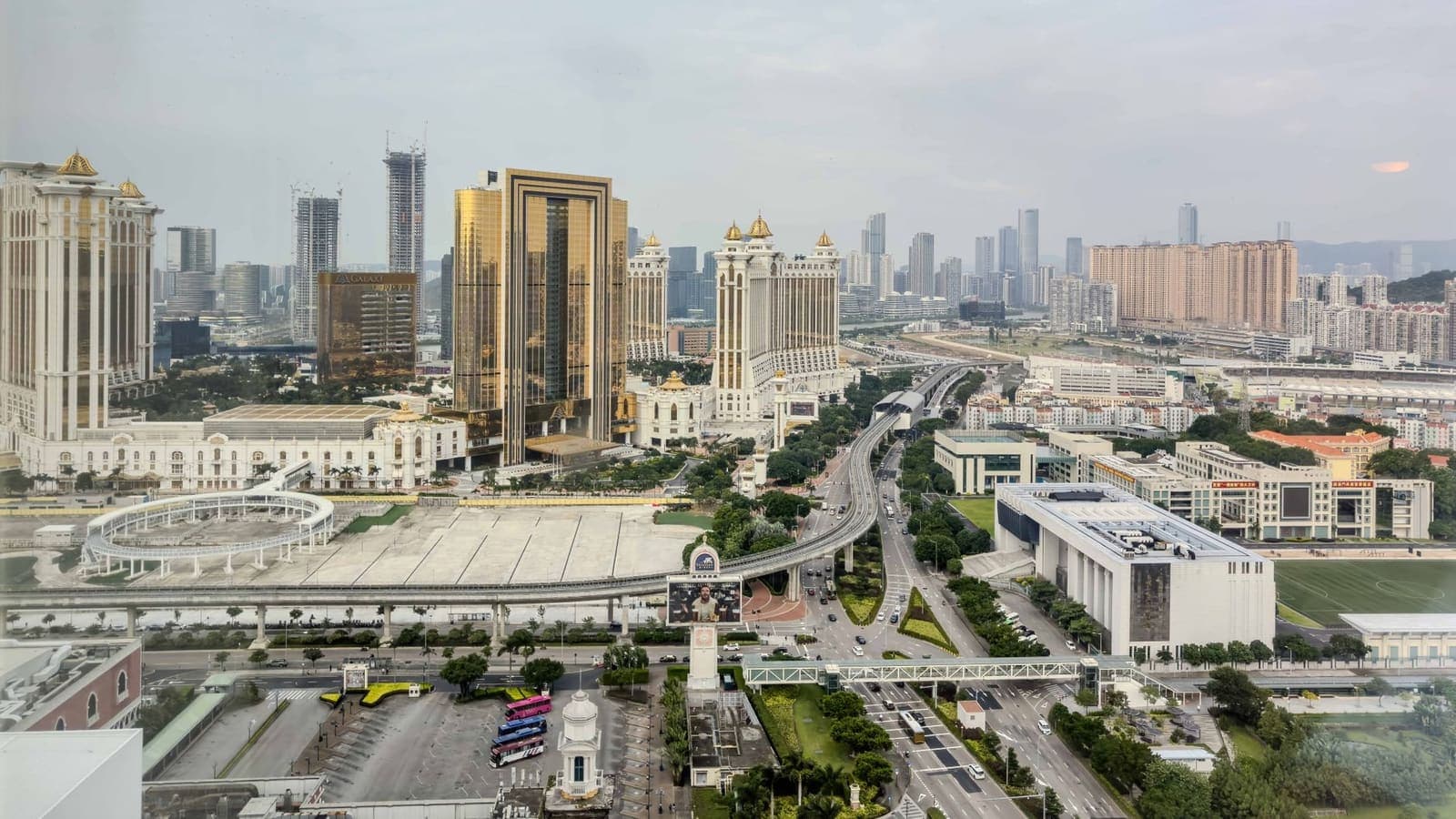
The city is small, but its casino industry is large and highly visible. A government monopoly ran gambling for decades until 2002, when concessions were awarded to several operators. Today resorts line both the historic peninsula and the newer Cotai area, and many visitors find the scale of the hotels, shopping malls and gaming floors the most striking part of a first trip.
Cotai or the peninsula
The Macau Peninsula is the older part of the city and is joined to mainland China by a border crossing. Its historic centre is a UNESCO World Heritage Site, and the Ruins of St Paul's stand there. The Grand Lisboa and the Hotel Lisboa are among its best-known casino landmarks.
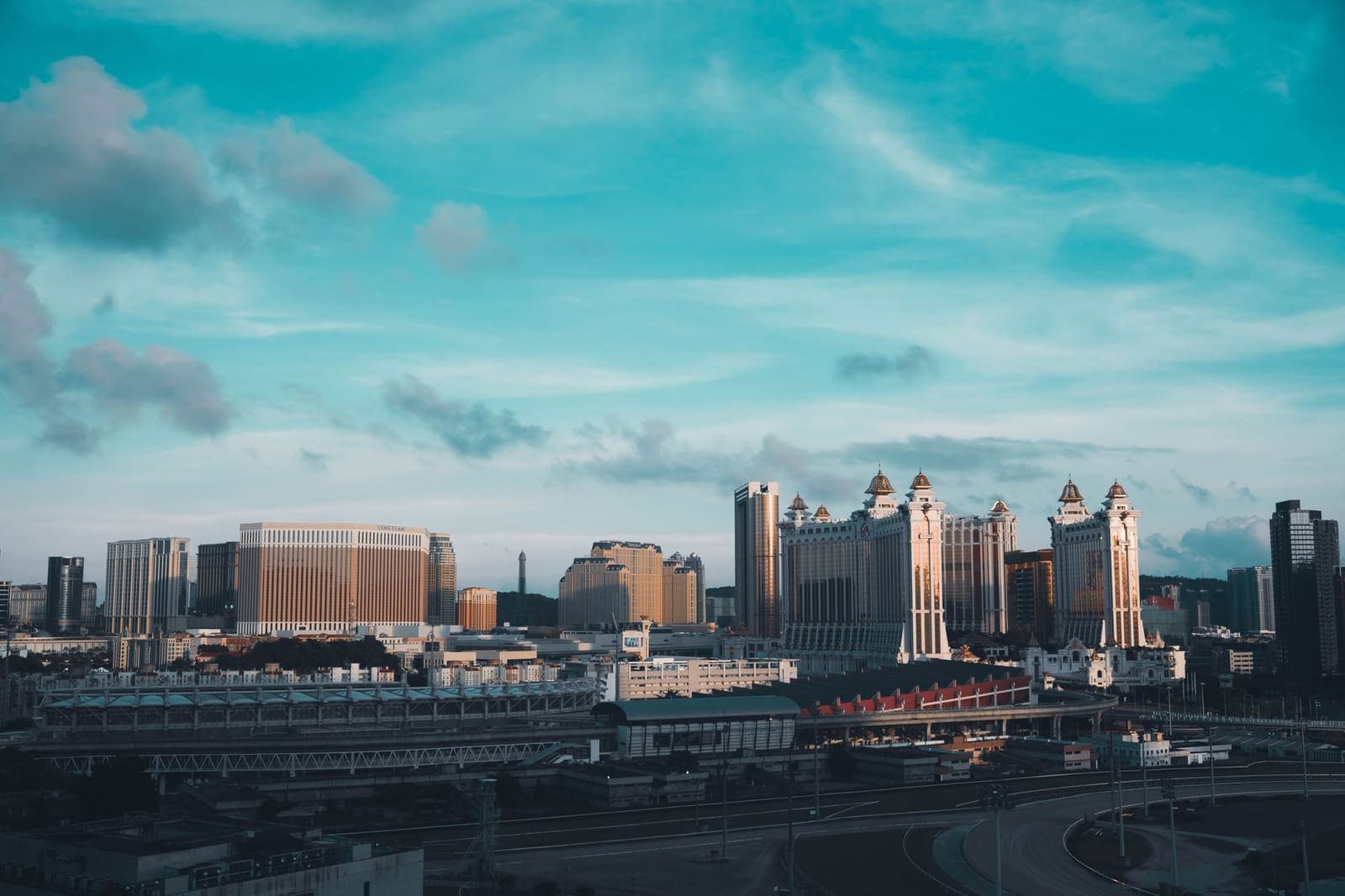
Cotai is the reclaimed area between the islands of Taipa and Coloane, and most of the largest integrated resorts are located there. The Venetian Macao, with its canal-style interiors, Wynn Palace and City of Dreams are among the best-known landmarks on the Cotai Strip. Many visitors choose Cotai for its size and entertainment complexes, and the peninsula for its older character and walks to historic sites.
Baccarat everywhere
Baccarat is the game most associated with Macau, and it is played in high-limit rooms, mass-market areas and on the floor of nearly every large casino. Players bet on the player hand, the banker hand or a tie, and the banker bet carries a small commission. The house keeps an advantage on every bet, so the game should be seen as paid entertainment rather than a source of income. You can find definitions of terms such as house edge in our glossary.
Beyond baccarat, casino floors offer sic bo, a dice game popular with many Chinese players, along with fan-tan, pai gow, roulette, blackjack and a large number of slot machines. Fan-tan is a traditional game in which players bet on how many counters remain after the dealer removes them in groups of four.
Dress and entry rules
Visitors must be at least 21 years old to enter a casino in Macau. Staff may ask for identification at the entrance, and a valid passport or other travel document is needed to enter the city. Entry requirements depend on nationality, so official government sources are the best place to check before you travel.
- Most public gaming areas have a relaxed dress code, and smart casual clothing suits most hotels.
- Some premium rooms and restaurants may expect smarter dress, so check with the venue before you visit.
- Photography is usually restricted on gaming floors, so ask staff before taking pictures.
- Smoking rules differ between areas, so look for signs and ask staff if you are unsure.
Customs at the tables
Many players follow traditions common in Chinese gambling culture. The number 8 is widely regarded as lucky, and the number 4 is often avoided because it sounds like the word for death in Chinese. Table etiquette is generally quiet and focused, and it is polite to follow the dealer's instructions on when bets close.
Tipping is not obligatory in Macau, and many hotels and restaurants add a service charge to the bill. Visitors who wish to thank a dealer or member of staff may do so, but tipping is not expected in the same way it is in some other countries.
Beyond the tables
Macau offers much more than gaming. The Ruins of St Paul's, Senado Square and the historic streets nearby reflect the city's Portuguese past, and the quieter Taipa Village area offers a slower pace. Macau also hosts the Macau Grand Prix each November, a street race held on the city's roads.
Macau is linked to Hong Kong by ferry and by the Hong Kong-Zhuhai-Macao Bridge, which opened in 2018. Free shuttle buses connect many of the Cotai resorts, and the light rail system serves parts of the city. Distances between the peninsula and Cotai can take longer than they appear on a map, so allow extra time.
Before you go
- Check entry, passport and visa requirements for your nationality with official sources before booking.
- Carry a valid passport and expect to show identification at casino entrances.
- The currency is the Macanese pataca (MOP), and many casinos also accept Hong Kong dollars.
- Set a budget and a time limit before you arrive, and stick to them.
- Know where to find support if gambling stops being fun.
Gambling is a form of paid entertainment, and every game is designed so that the house wins over time. Anyone who is worried about their own gambling or someone else's can find help lines and advice in our safer gambling resources. For a broader view of where casino gambling is permitted, see our guide to legal gambling by country and US state.
Frequently asked questions
Is gambling legal in Macau?
Casino gambling is legal in Macau, which is the only part of China where casinos are permitted. Operators hold licences from the Macau government, and the sector is regulated locally.
What is the dress code for Macau casinos?
Most public gaming areas have a relaxed dress code, so smart casual clothing is usually fine. Some premium rooms may expect smarter dress, so check with the venue before you visit.
Do I need to be 21 to enter a casino in Macau?
Yes, visitors must be at least 21 years old to enter a casino in Macau. Staff may ask for identification at the entrance, so carry a valid passport.
What is baccarat and where is it played in Macau?
Baccarat is the game most associated with Macau, and it is played in high-limit rooms, mass-market areas and on the floor of nearly every large casino. Players bet on the player hand, the banker hand or a tie, and the banker bet carries a small commission. The house keeps an advantage on every bet, so baccarat should be seen as paid entertainment rather than a source of income.
Which currency do Macau casinos accept?
The official currency in Macau is the Macanese pataca (MOP), and many casinos also accept Hong Kong dollars. Visitors should check with individual venues about which currencies they accept before arriving.
Which casino resorts are on Cotai?
Cotai is the reclaimed area between the islands of Taipa and Coloane, and most of Macau's largest integrated resorts are located there. The Venetian Macao, Wynn Palace and City of Dreams are among the best-known landmarks on the Cotai Strip.
How do I travel from Hong Kong to Macau?
Macau is linked to Hong Kong by ferry, which is a short ride across the water. Travellers can also use the Hong Kong-Zhuhai-Macao Bridge, which opened in 2018.
More on Macau
Casino Courant is independent and does not offer gambling. We do not take payment for editorial coverage. 18+. Gamble responsibly.