10 casino cheaters ranked from simplest to most sophisticated
Every method on this list worked for a while, and each one ended with a camera, a court or a dealer who noticed a pattern that should not have been there.
Casino cheating rarely looks like the films. Most attempts depend on a small advantage, a moment of inattention or someone on the inside, and most end when a person or a system spots a pattern that does not fit.
The list below ranks ten methods from the simplest to the most sophisticated. The order reflects how much planning, skill and insider help each one needed, not how much money any scheme made.
- Past-posting: a bet is placed or moved after the result is known
- Counterfeit chips: copies made to pass as the house's own
- Shill betting: a helper plays to create action for a partner
- Dealer collusion: a cold deck or a swapped shoe
- Slot tampering: interference with machines or their software
- Marked cards: invisible markings read with a light wand
- Team signalling: codes passed between players and staff
- Edge sorting: reading subtle patterns on the backs of cards
- Organised rings: several players and staff working in concert
- Casino heists: theft from the cash, cage or count room
Why surveillance changed the odds for cheats
Modern casinos watch tables and cash handling in real time, and they keep records of chips, decks and jackpots. A cheat who wins once can often be reconstructed from that paperwork later. The methods that lasted longest worked in the gaps between surveillance and procedure.
Edge sorting and the Crockfords case
Phil Ivey and Kelly Sandhu played baccarat at Crockfords in London and won about £7.7 million, according to court documents. Ivey argued that reading the patterns on the cards was a legitimate skill, but the casino refused to pay.
The dispute went through the English courts. In 2017 the UK Supreme Court ruled that the conduct amounted to cheating, and the ruling is often cited in discussions of what counts as dishonest play.
Where a cheat leaves a trail: chips, cards and cash
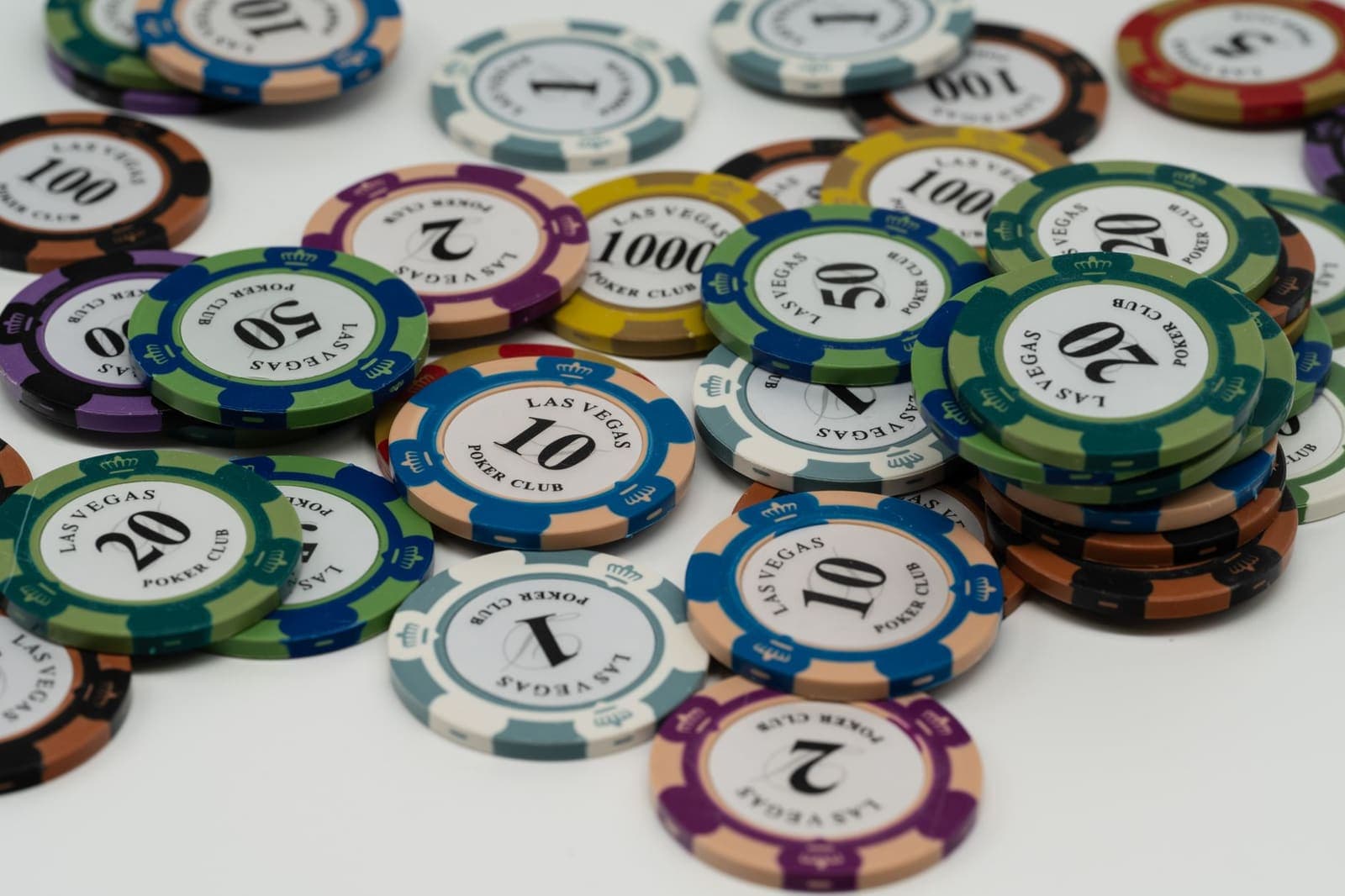
Counterfeit chips and past-posting both leave evidence. A chip that does not match casino inventory, or a bet that changed after the ball had stopped, can be checked. Our explainer on why casinos use chips instead of cash covers how chip systems make tampering easier to spot.
Heist films remain the most famous image of casino crime. Our article on whether the Oceans Eleven Bellagio heist could really work looks at how far the plot strays from reality.
The house edge holds even when a cheat wins
None of these methods changes the mathematics of the games for honest players. The house edge is set by the rules and payouts of each game, and a single cheating session is not evidence that any method beats the house over time. Anyone who finds gambling a problem can find support lines on our responsible gambling page.
- 1
Past-posting
Past-posting means placing, adding or moving a bet after the result of a spin, roll or deal is known. It needs only a moment of distraction, which is why it is the simplest method here. Verdict: easy to attempt and easy to prove at a monitored table, so it rarely lasts long.
- 2
Counterfeit chips
Forged chips are copies of genuine ones, made to pass as the casino's own at a busy table. Casinos change designs, add security features and count chips at the cage to limit the damage. Verdict: a forger may pass a quick look, but a chip that cannot be traced to casino inventory eventually shows up.
- 3
Shill betting
A shill is a person who plays to create action for a cheat or a group, sometimes passing chips or information. Shills can make a table look busy or help a partner read the cards. Verdict: it works for a short run, but several people must keep the story straight, and any repeated pattern draws attention.
- 4
Dealer collusion and cold decks
A dealer working with a player may deal from a prepared deck, swap a shoe or favour one seat. Casinos now use automated shufflers and check decks, which narrows the room for a dealer to act alone. Verdict: it depends on a trusted insider, which is also its weakness.
- 5
Slot tampering
Some attempts target slot machines with physical interference or changes to circuit boards or software. Machines in regulated markets must pass tests for random outcomes and security, and software changes are controlled. Verdict: sealed cabinets and monitored software make this route hard to sustain.
- 6
Marked cards and the light wand
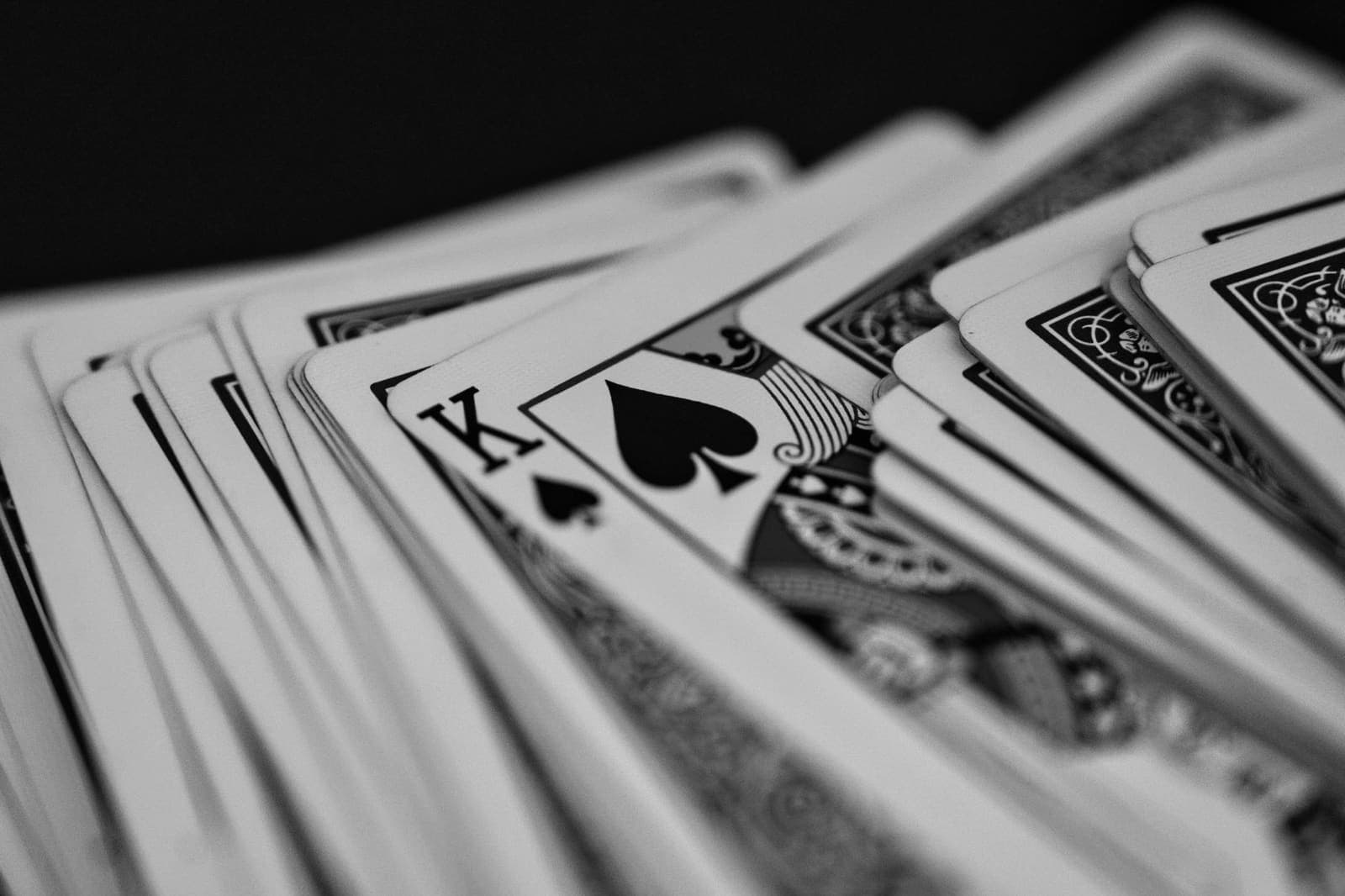
Marked cards carry markings that are invisible to the naked eye, and a handheld light can reveal them. The cheat must get a marked deck onto the table and read it during play. Verdict: decks are inspected and replaced, and a discovered device is strong evidence against the person holding it.
- 7
Team signalling
Players can use codes, body language or coded words to pass information about the cards or the state of a shoe. Legitimate team play exists in some games, so the line is drawn by each casino's rules. Verdict: signalling that needs a dealer's cooperation crosses that line.
- 8
Edge sorting
Edge sorting uses subtle differences in the printed patterns on the backs of cards. A player who can read them can gain information before the cards are dealt. Phil Ivey and Kelly Sandhu used the method at Crockfords, and the English courts treated it as cheating. Verdict: the ruling now shapes how such disputes are argued.
- 9
Organised rings
Larger groups have worked over longer periods, using several players, staff and devices in a coordinated plan. Such rings need many people to stay silent, which is their greatest risk. Verdict: each extra participant adds another point where someone may talk or a camera may catch the pattern.
- 10
Casino heists
Theft from the cash, cage or count room is the most dramatic form of casino crime. Real security layers cash controls, guards and cameras, which makes such plans hard to carry out. Verdict: the film version looks simple, but the real security is designed to make it impractical.
Frequently asked questions
What is past-posting in a casino?
Past-posting is placing, adding or moving a bet after the result of a roulette spin, dice roll or card deal is known. Casinos treat it as cheating, and surveillance at monitored tables usually records the timing. It is the simplest method in this ranking.
How much did Phil Ivey win at Crockfords?
Phil Ivey and Kelly Sandhu won about £7.7 million at baccarat at Crockfords in London in 2012, according to court documents. The casino refused to pay, and the case went through the English courts.
What is edge sorting in baccarat?
Edge sorting is a method of reading subtle differences in the printed patterns on the backs of playing cards. It can give a player information about the cards before they are dealt. The case of Phil Ivey and Kelly Sandhu at Crockfords went to the UK Supreme Court.
What does a light wand reveal on playing cards?
A light wand is a handheld device that reveals markings on playing cards that are invisible to the naked eye. Cheats who use marked decks may read the markings during play. A found device is strong evidence of a cheating attempt.
How do casinos prove that winnings came from cheating?
Casinos rely on surveillance footage, deck and chip records, and staff testimony to show that play was dishonest. In the Crockfords case, the UK Supreme Court ruled in 2017 that the conduct amounted to cheating, so the casino kept the money.
Are casino heists in films like Oceans Eleven realistic?
Casino heists in films make theft look far simpler than it is in practice. Real casinos use layered cash controls, guards and cameras in the cash, cage and count areas. Heist plots are best treated as entertainment rather than a guide to security.
Does a cheat's win change the house edge?
No. The house edge on a casino game is set by its rules and payouts, and one cheating session does not change those terms. A win by cheating does not show that any method beats the house over time.
Sources: UK Gambling Commission, Nevada Gaming Control Board, UK Supreme Court, checked and rewritten by the Casino Courant desk. Spotted an error? Tell us.
More on UK gambling, Slots
Casino Courant is independent and does not offer gambling. We do not take payment for editorial coverage. 18+. Gamble responsibly.