Congress hears warnings over sports betting on US college campuses
Lawmakers heard that sports betting is spreading fast among students, and Massachusetts regulators pressed for tougher limits on college player prop bets.
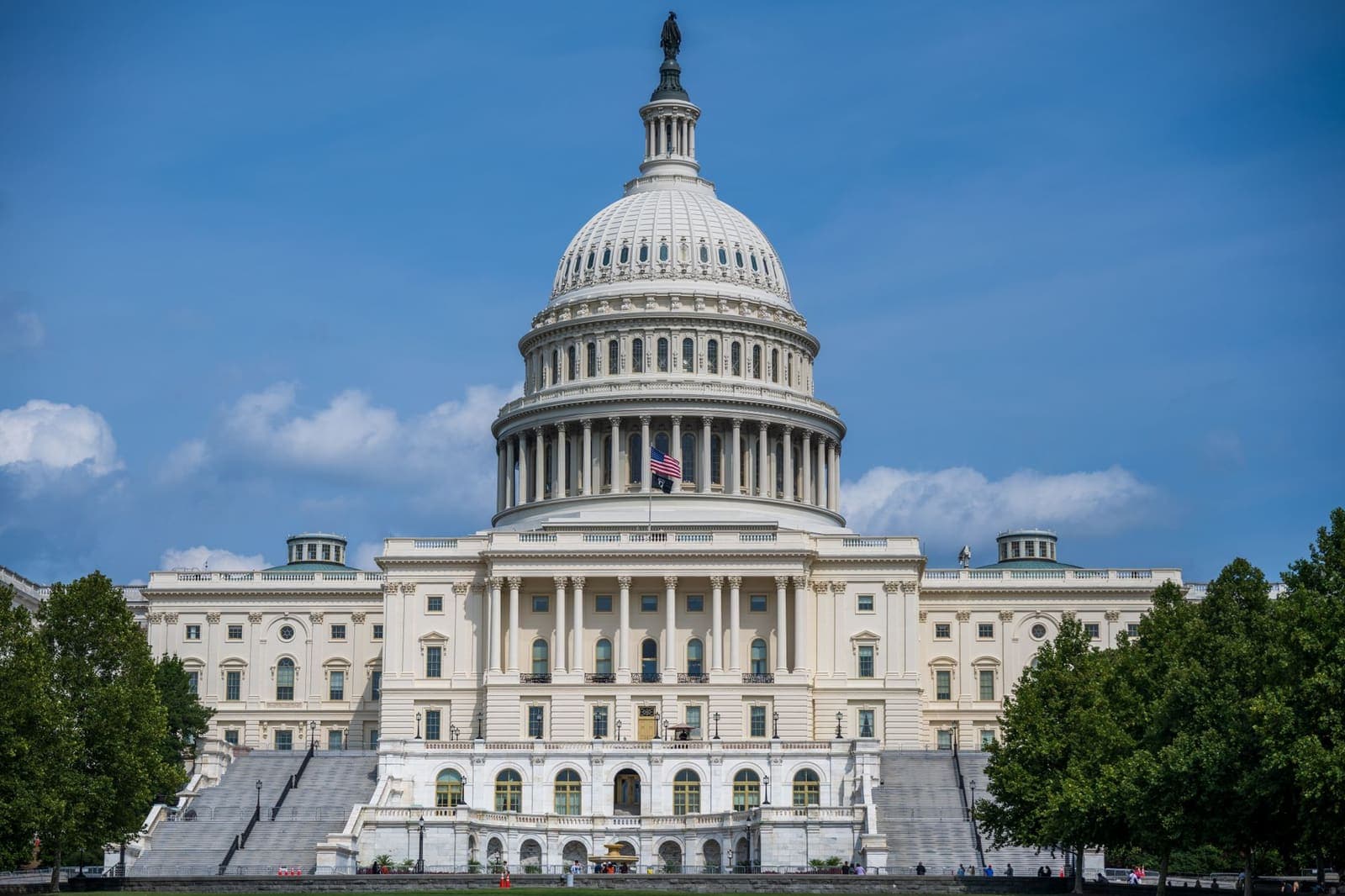
On Wednesday 11 November, a House subcommittee met in the Rayburn House Office Building on Capitol Hill for a two-hour hearing titled “Rise of Sports Gambling on College Campuses”. Lawmakers heard from a state gaming regulator and from academic and health experts, who said mobile betting is reaching young people faster than safeguards can keep up.
For years, anyone who wanted to bet on sports had to visit a Las Vegas sportsbook, use an illegal offshore site or place a wager with a local bookie. That changed on 14 May 2018, when the US Supreme Court struck down the Professional and Amateur Sports Protection Act (PASPA) in Murphy v NCAA. In a 6-3 decision written by Justice Samuel Alito, the court ruled that the federal law stopped state legislatures from authorising or regulating sports betting. According to CDC Gaming Reports, betting on sports has surged since then, particularly among young men on campuses who can bet from their phones at any time.
Massachusetts data on 18 to 25 year olds betting on sports
Jordan Maynard, chairman of the Massachusetts Gaming Commission (MGC), told the subcommittee that 71% of people in Massachusetts aged 18 to 25 have bet on sports. He also cited a Boston University School of Public Health survey, which found that 34% of college students using sportsbook apps are under 21. In Massachusetts, the study found that about 22% of college-age users are under 21.
We know the younger someone starts betting, the more likely they are to develop a gambling problem.Jordan Maynard, chairman of the Massachusetts Gaming Commission
Maynard said licensed sportsbooks in Massachusetts must use age-verification technology, which he said has prevented at least 11,000 accounts from being opened by people under 21. Young people still find ways to bet, he said, including proxy betting, where a wager is placed through the account of a parent, sibling or older friend. Maynard described proxy betting as “It’s not harmless, it’s illegal”.
State law also prohibits advertising that targets people under 21 and bans individual player prop bets on college sports, while still allowing them on professional sports. Maynard said the restriction has been successful and that enforcement is a priority. For a related case, see our report on the Massachusetts proxy betting case involving FanDuel and Bill Simmons.
Prediction markets as sports wagers by another name
Maynard was among the most critical voices on prediction markets, especially sports event contracts, which he described as “sports wagers by another name”. He said these products avoid state laws, taxes, regulatory requirements and the problem-gambling requirements placed on licensed operators, and that prediction markets are illegally offering sports wagering in Massachusetts. He backed Massachusetts Attorney General Andrea Joy Campbell’s lawsuit against Kalshi, which is awaiting a decision from the Massachusetts Supreme Judicial Court.
Alma Adams, the ranking Democrat on the subcommittee from North Carolina, said the Commodity Futures Trading Commission (CFTC) should not be able to use a “loophole” to get around state gambling laws. She said students are not a market to be exploited and that their safety should never take a backseat to someone’s investment portfolio. Maynard added that the CFTC is not equipped to regulate sports wagering to Massachusetts standards.
Witnesses back ending college player prop bets
All four witnesses agreed that removing player prop bets would help reduce problem-gambling rates among students. Cindy Clouner, managing director at the Higher Education Center for Alcohol and Drug Misuse Prevention and Recovery at Ohio State University, believes federal regulation of prop bets would do more than a patchwork of state rules. Dr Daniel Durkin, associate professor at the University of Mississippi, said many students do not realise that betting carries risks, and that prevention should teach them so.
Dr Lindsey Mortenson, of the University of Michigan, compared sports betting with alcohol, saying that society does not tolerate over-serving alcohol in bars and should not tolerate over-serving young people on sports betting. She described the industry’s “move-and-break-things-fast approach” as causing serious harm. The witnesses also said many students do not seek help for sports betting problems, that problem betting is hard to detect except by sportsbooks, and that the US is far behind other countries on research and data.
NCAA survey figures from 2023 cited at the hearing
Washington state Republican Representative Michael Baumgartner, vice chair of the subcommittee, said nowhere has the surge in online betting been more pronounced than on college campuses. He cited an NCAA survey in which 67% of students living on campus had bet on sports and 16% had shown problem-gambling behaviour, such as chasing losses. The survey also found 6% of students had lost more than $500 in a single day. Baumgartner acknowledged the figures date from 2023 but said they are likely even higher today, and that students gamble problematically at more than twice the rate of the general population.
The Massachusetts Supreme Judicial Court’s decision in the Kalshi case is the next pending ruling that speakers pointed to. For students, families and campus staff, the hearing made clear that the debate now covers prediction markets as well as sportsbook apps. Readers who want to know the warning signs of problem gambling can find guidance on our responsible gambling page.
Frequently asked questions
When did the US Supreme Court allow states to legalise sports betting?
The US Supreme Court struck down the Professional and Amateur Sports Protection Act in Murphy v NCAA on 14 May 2018. In a 6-3 decision written by Justice Samuel Alito, the court ruled that the federal law stopped state legislatures from authorising or regulating sports betting.
What is a player prop bet?
A player prop bet is a wager on the performance of an individual athlete rather than on the result of a game. Massachusetts allows player prop bets on professional sports but not on college sports, a restriction the state’s gaming regulator said has been successful.
What is proxy betting?
Proxy betting is when someone places a sports bet using another person’s account, such as a parent, sibling or older friend. Jordan Maynard, chairman of the Massachusetts Gaming Commission, told the House subcommittee that proxy betting is illegal.
What is the legal age for sports betting in Massachusetts?
The legal age to wager on sports in Massachusetts is 21. Licensed sportsbooks must use age-verification technology, which the Massachusetts Gaming Commission said has prevented at least 11,000 accounts from being opened by people under 21.
Why are prediction markets controversial for sports betting regulators?
Massachusetts regulators say sports event contracts offered by prediction markets are sports wagers by another name that avoid state laws, taxes and problem-gambling requirements. Massachusetts Attorney General Andrea Joy Campbell has sued Kalshi, and that case is awaiting a decision from the Massachusetts Supreme Judicial Court.
Which federal agency is involved in regulating prediction markets in the US?
The Commodity Futures Trading Commission (CFTC) is the federal agency involved in overseeing prediction markets. Massachusetts Gaming Commission chairman Jordan Maynard told the hearing that the CFTC is not equipped to regulate sports wagering to state standards.
How many US college students have bet on sports according to the NCAA survey?
An NCAA survey cited at the hearing found that 67% of students living on campus had bet on sports. The same survey found that 16% had shown problem-gambling behaviours, and the figures date from 2023.
This report is based on CDC Gaming Reports, checked and rewritten by the Casino Courant desk. Spotted an error? Tell us.
More on United States, Prediction markets
Casino Courant is independent and does not offer gambling. We do not take payment for editorial coverage. 18+. Gamble responsibly.